Snow Days vs Remote learning: What Do Teachers Actually Prefer Today?
Winter weather has always influenced school routines, often leading to traditional snow days when students stay home, and classes are canceled. However, the rapid growth of digital learning has introduced a new option, allowing schools to continue instruction remotely rather than close. This shift has sparked an ongoing debate over whether traditional snow days should remain or be replaced with virtual learning. Understanding what educators truly prefer requires a closer look at teaching conditions, student engagement, and the overall effectiveness of both approaches.
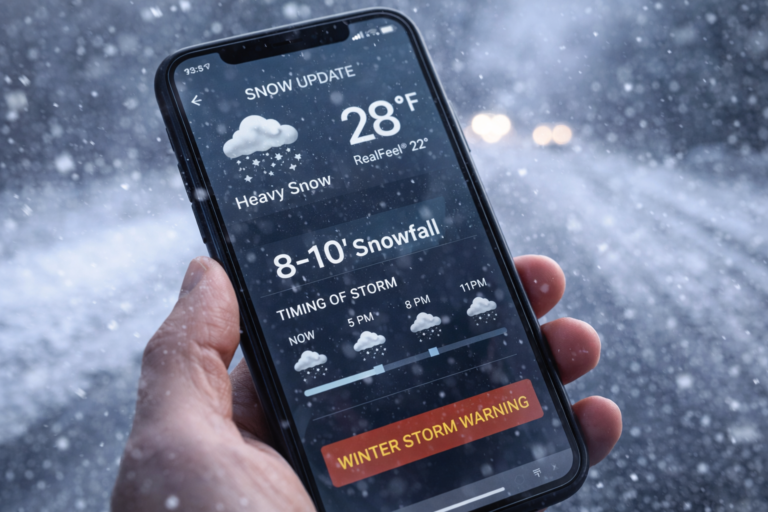
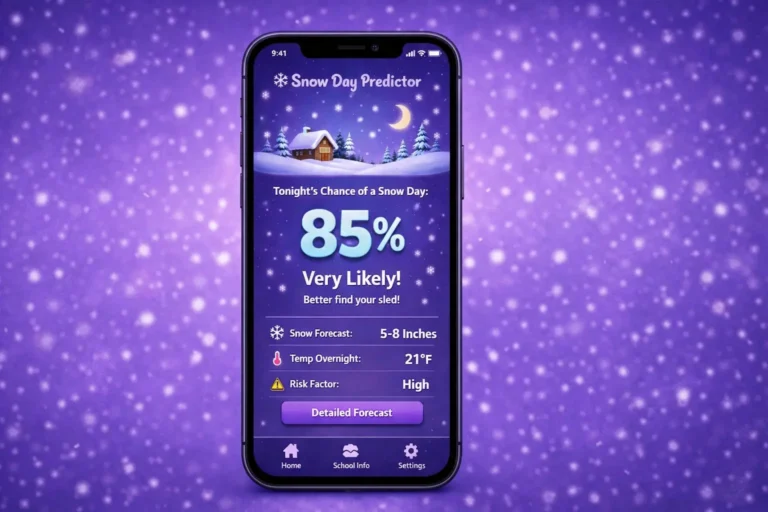
The discussion around snow days vs remote learning has become more relevant as schools adapt to changing weather and technology. Many families rely on a snow day predictor to estimate school closures before making plans.
Why the Debate Between Snow Days vs Remote learning Has Increased
The discussion around snow days vs remote learning has become more prominent in recent years, largely due to the widespread adoption of digital education systems. Schools now have the technical capability to deliver lessons online, reducing the need to cancel classes entirely. Educational institutions are also under pressure to maintain instructional time and avoid extending the academic calendar. As a result, many school boards consider remote learning as a practical solution during mild winter conditions. This transition has raised questions about whether convenience should outweigh the traditional purpose of snow days, which is to prioritize safety and provide a necessary break.
What Is a Traditional Snow Day in Schools?
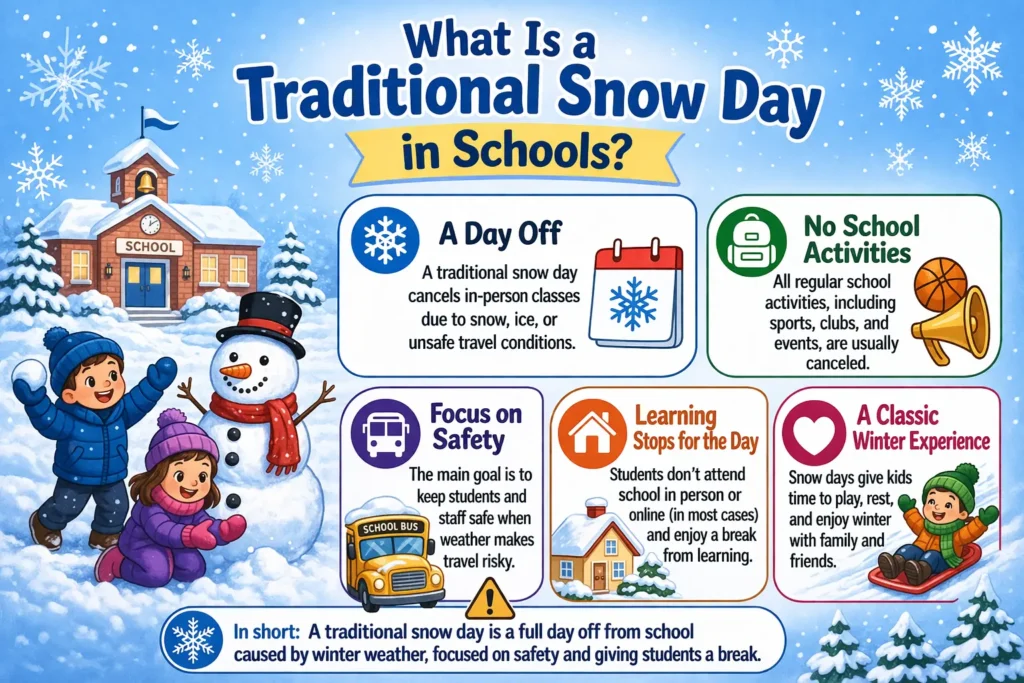
A traditional snow day occurs when schools close due to severe weather conditions such as heavy snowfall, freezing rain, or extreme cold. During these closures, students and teachers are not expected to attend classes, allowing them to remain at home safely. Snow days have historically been viewed as a precautionary measure rather than a disruption, as they protect students from unsafe travel conditions. For many educators, these days also serve as an opportunity to pause, reflect, and prepare for upcoming lessons without the pressure of immediate instruction.
What Is Remote Learning During Snow Days?
The debate around snow days vs remote learning is likely to continue as education evolves. Remote learning during snow days involves continuing classes on digital platforms rather than canceling them. Students attend lessons from home using devices such as laptops or tablets, while teachers conduct sessions through video calls or assign online tasks.
These virtual learning days are counted as official school days, ensuring that the academic schedule remains intact. Although this method helps maintain continuity, it also introduces challenges related to student participation, access to technology, and the overall quality of instruction delivered in a home environment.
Snow Days vs Remote Learning: Key Differences Explained
When comparing snow days vs remote learning, the main difference lies in how each approach affects instruction, student engagement, and overall classroom experience.
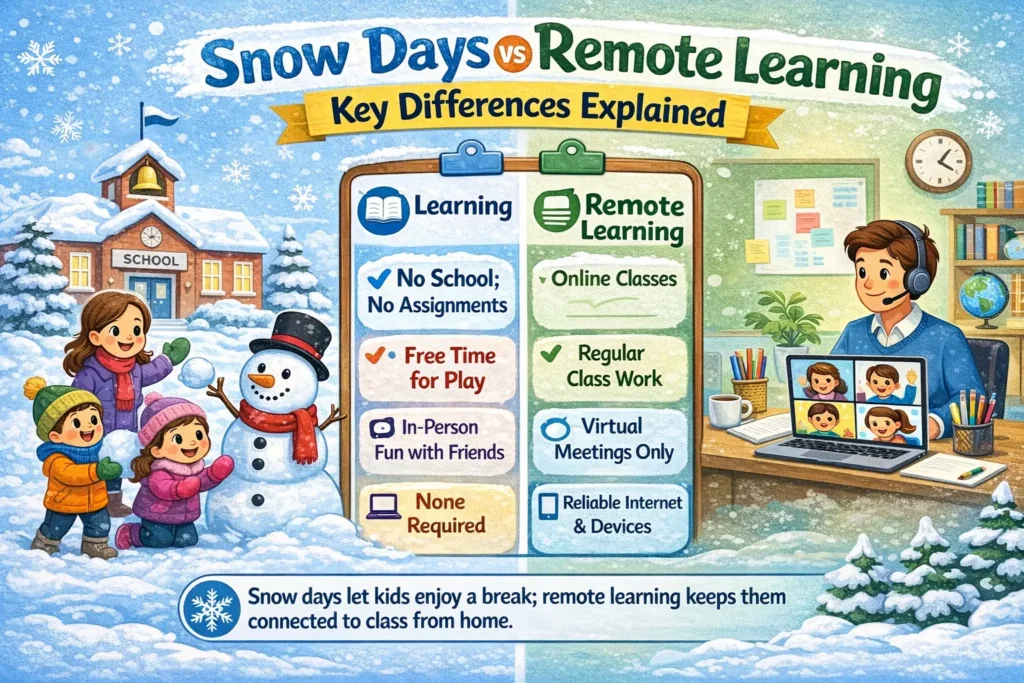
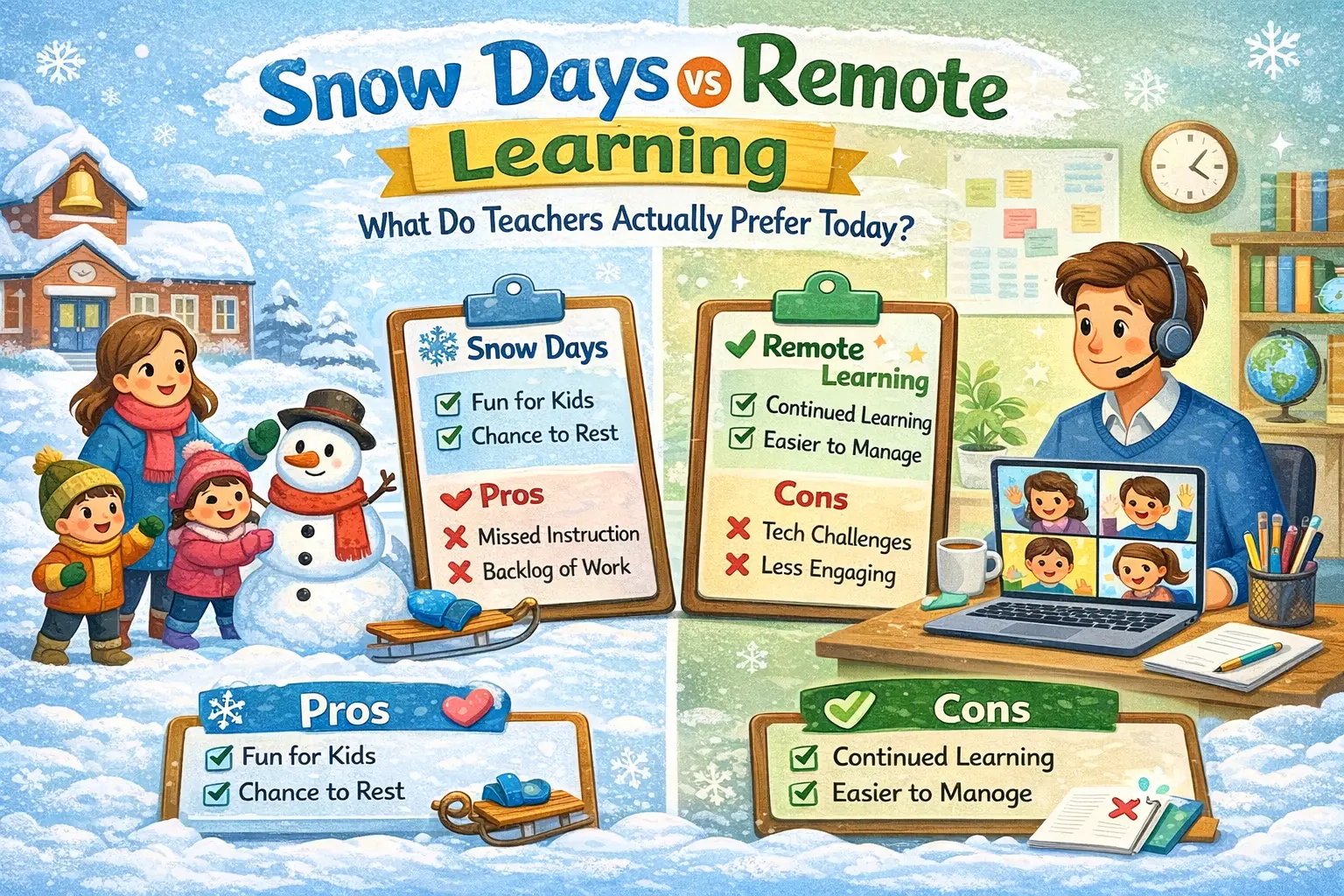
The contrast between snow days and online learning lies in how each approach affects teaching, learning, and overall experience. Traditional snow days offer a complete pause in academic activity, giving both students and teachers time to rest and recover. In contrast, remote learning aims to continue instruction without interruption, which may help maintain curriculum progress but can reduce engagement levels.
Teachers often find that online classes require additional preparation and adaptation, especially when students face distractions or technical issues at home. While snow days prioritise safety and well-being, virtual learning focuses on maintaining consistency, making the choice between the two dependent on multiple factors.
In the discussion of snow days vs remote learning, traditional closures provide a complete pause, while online classes aim to maintain academic continuity despite weather disruptions.
Why Many Teachers Still Prefer Snow Days
In the ongoing debate around snow days vs remote learning, many teachers continue to favour traditional closures due to practical and instructional reasons.
Despite technological advancements, many teachers continue to favor traditional snow days for several practical reasons. One of the most significant advantages is the mental break they provide, allowing both educators and students to recharge. Teaching, whether in person or online, requires sustained attention and effort, and an unexpected day off can reduce burnout and improve long-term productivity.
Another important factor is equality in learning conditions. During a snow day, all students experience the same pause in instruction, whereas remote learning can create disparities due to differences in internet access, device availability, and home environments. Teachers often observe that online classes do not offer the same level of engagement as in-person sessions, as students may struggle to focus or participate actively. For these reasons, many educators view snow days as a more practical and fair option in certain circumstances.
From a teaching perspective, snow days vs remote learning often highlight differences in student participation, as engagement levels tend to be lower in virtual environments.
Why Some Teachers Support Online Learning Instead
While traditional snow days remain popular, some teachers recognize the advantages of remote learning, particularly in maintaining academic continuity. Online classes prevent the need for make-up days at the end of the school year, which can extend schedules and create additional pressure for both students and staff. By continuing lessons virtually, teachers can keep students aligned with the curriculum and avoid repeating material.
In schools where digital systems are well established, remote learning can be implemented more effectively, reducing disruptions caused by weather conditions. Teachers who are comfortable with technology may find it easier to adapt their lessons and maintain communication with students. Although challenges still exist, this approach can be beneficial when weather conditions are manageable and do not pose severe safety risks.
What Do Students and Parents Prefer?
The preferences of students and parents often differ regarding snow days and online learning. Many students favor traditional snow days because they provide a break from academic responsibilities and an opportunity to relax or enjoy winter activities. For them, snow days are associated with comfort and freedom rather than structured learning.
Parents, however, tend to have mixed opinions depending on their circumstances. Some appreciate remote learning because it keeps children engaged academically and reduces the need for additional childcare arrangements. Others find virtual classes difficult to manage, especially when balancing work responsibilities or dealing with limited resources at home. This variation in preference highlights the complexity of choosing between snow days and online learning.
Common Challenges with Remote Learning on Snow Days
Although remote learning offers continuity, it also presents several practical challenges that can affect its effectiveness. One of the most common issues is low student participation, as many learners struggle to stay focused in a home environment filled with distractions. Technical difficulties, such as unstable internet connections or limited device access, can further disrupt the learning process.
Another challenge is the lack of direct interaction between teachers and students, which makes it harder to assess understanding and provide immediate feedback. Without the structure of a classroom, students may feel less motivated to complete tasks, leading to reduced academic engagement. These factors often influence teachers’ opinions and contribute to the ongoing preference for traditional snow days.
Do Snow Days Affect Academic Performance?
Research suggests that occasional snow days do not have a significant long-term impact on academic performance, as schools typically adjust their schedules to make up for lost instructional time. Teachers may modify lesson plans or incorporate review sessions to ensure that students remain on track. However, repeated disruptions or inconsistent attendance can create challenges, particularly in subjects that require continuous practice.
From an educational perspective, the quality of instruction often matters more than the number of days spent in class. A well-structured learning environment, whether in person or online, plays a key role in student success. This understanding helps explain why some educators prioritize engagement and effectiveness over simply maintaining the academic calendar.
Weather disruptions can influence routines, as discussed in how snow days affect students learning.
How Schools Decide Between Snow Days and Remote Learning
School boards consider multiple factors when deciding whether to declare a snow day or shift to online learning. Weather severity is one of the most important considerations, as heavy snowfall, icy roads, and extreme cold can make travel unsafe. In such cases, safety remains the primary concern.
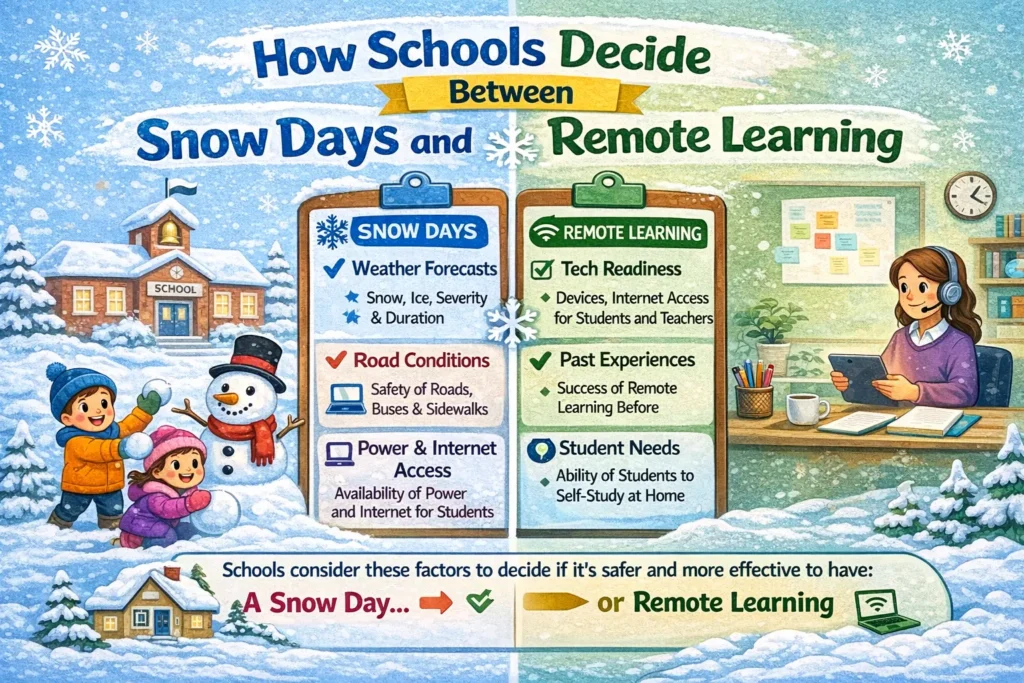
Infrastructure also plays a crucial role, as schools with reliable digital systems are more likely to implement remote learning successfully. Access to technology among students is another important factor, as unequal access can create challenges for virtual instruction. Local policies and community needs further shape these decisions, leading to different approaches across regions.
The Future of Snow Days in Education
The future of snow days is likely to involve a balanced approach that combines traditional closures with remote learning options. Schools may choose to use virtual classes during mild weather while reserving snow days for more severe conditions. This flexible model allows institutions to maintain academic continuity without compromising safety or well-being.
As technology continues to evolve, remote learning systems may become more effective and accessible, potentially increasing their role in winter education. However, the value of traditional snow days, both for safety and mental well-being, suggests that they are unlikely to disappear entirely.
Frequently Asked Questions
Do teachers prefer snow days or online learning?
Many teachers prefer snow days because they provide a break and ensure equal learning conditions, though some support remote learning to maintain continuity.
Are virtual snow days effective?
They can be effective in maintaining instruction, but challenges such as low engagement and technical issues often reduce their impact.
Why do schools replace snow days with online classes?
Schools aim to avoid losing instructional time and to reduce the need to extend the academic calendar.
Do snow days harm academic performance?
Occasional snow days have a minimal long-term impact, as schools typically adjust schedules to make up for missed time.
Conclusion
The discussion between snow days and online learning reflects the changing nature of education in a digital era. While remote learning offers a practical solution for maintaining instruction, traditional snow days continue to provide benefits for safety, equity, and mental well-being. Teachers’ preferences often depend on balancing these factors, rather than choosing one approach exclusively. By understanding the strengths and limitations of both options, schools can make informed decisions that support effective learning while prioritizing the needs of students and educators alike.
On closure days, many people look for ways to stay productive during a snow day at home.