Essential Winter Health Tips for Kids to Stay Safe and Warm
Winter brings unique challenges for children, especially when temperatures drop and outdoor conditions become harsh. Parents often focus on keeping their kids warm, but maintaining overall health during colder months requires a broader approach. Following the winter health tips for kids can help protect them from cold-related illnesses, skin issues, and seasonal infections while keeping them active and comfortable throughout the season.
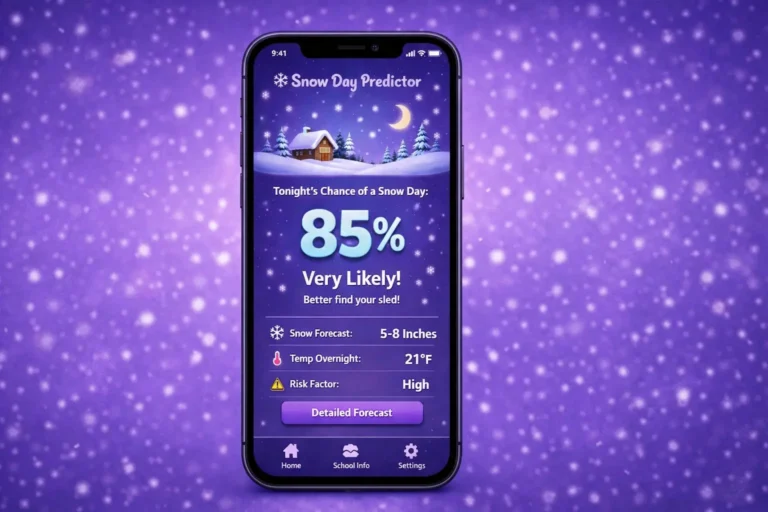
Parents often check a snow day predictor during winter to understand whether weather conditions may disrupt school schedules.
Why Winter Health Care Is Important for Children
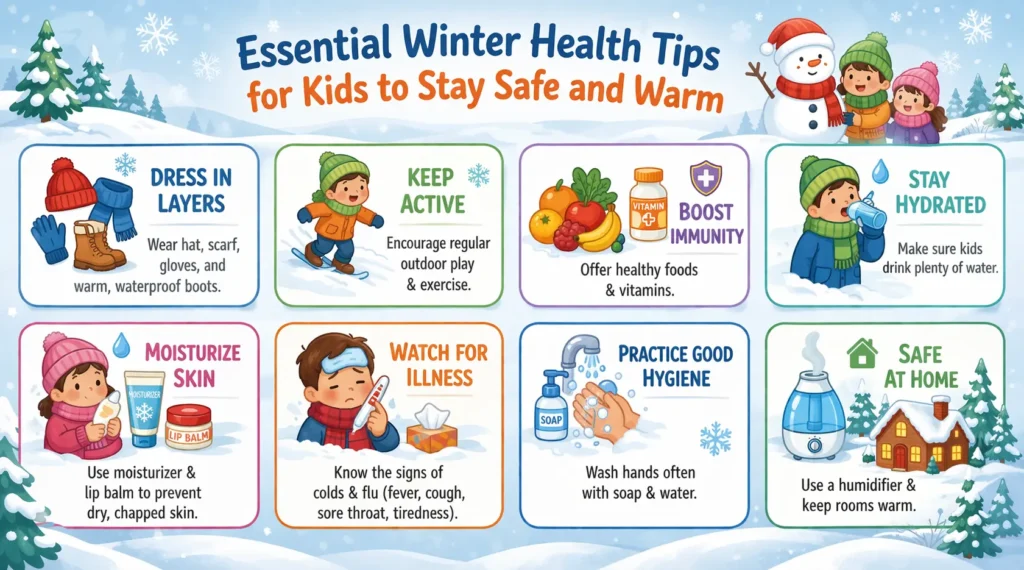
Children are more vulnerable to cold weather because their bodies lose heat faster than adults do, increasing the risk of discomfort and illness during winter months. Exposure to low temperatures without proper protection can lead to conditions such as frostbite or hypothermia, particularly when combined with wind chill and moisture. Beyond physical safety, winter also affects immunity, as indoor environments and reduced sunlight may contribute to seasonal illnesses. For this reason, applying practical winter health tips for kids is essential to maintaining both physical well-being and a stable daily routine.
In regions like Canada, especially during heavy snowfall, tools such as the Ontario snow day predictor help families prepare in advance.
How to Dress Kids Properly in Cold Weather
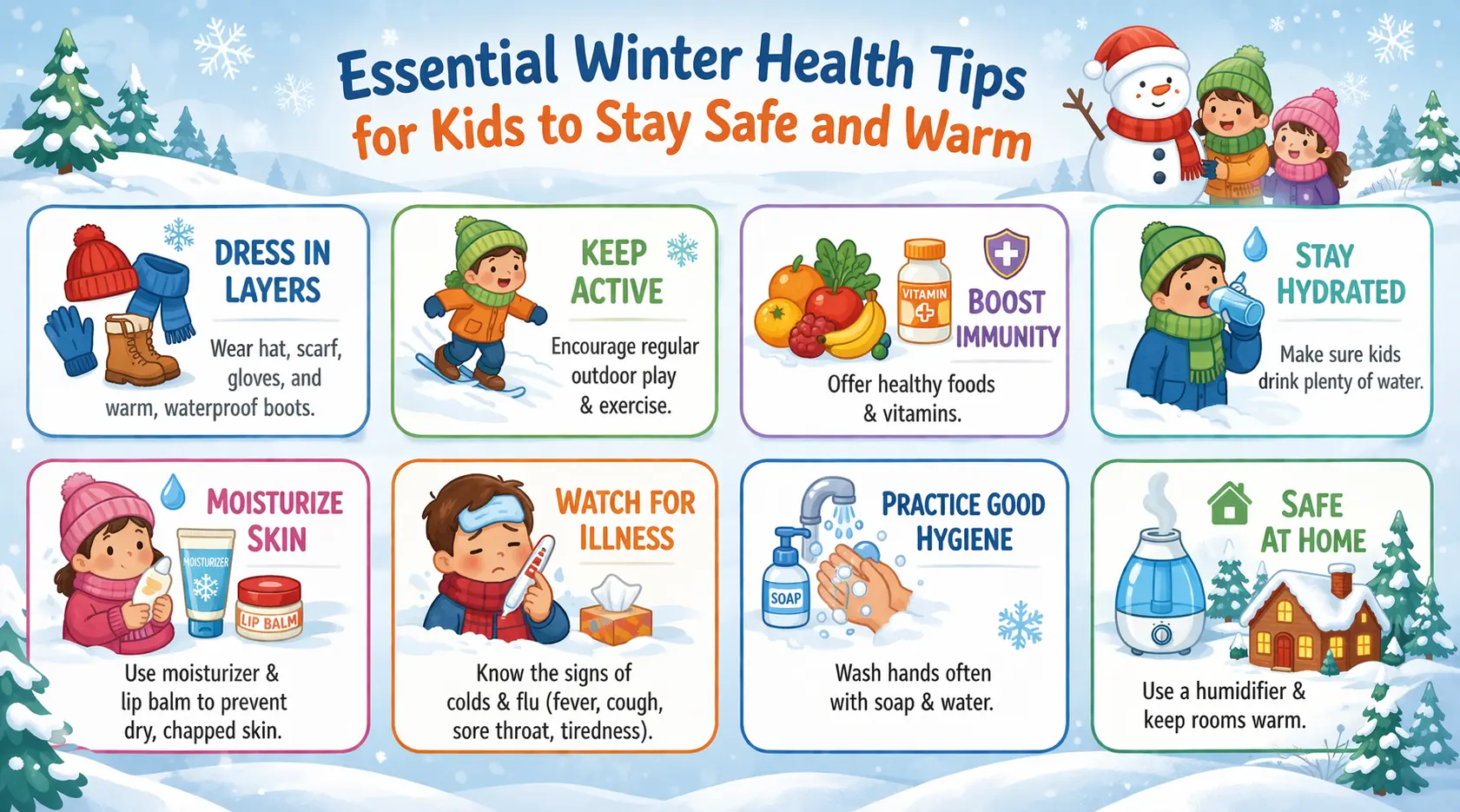
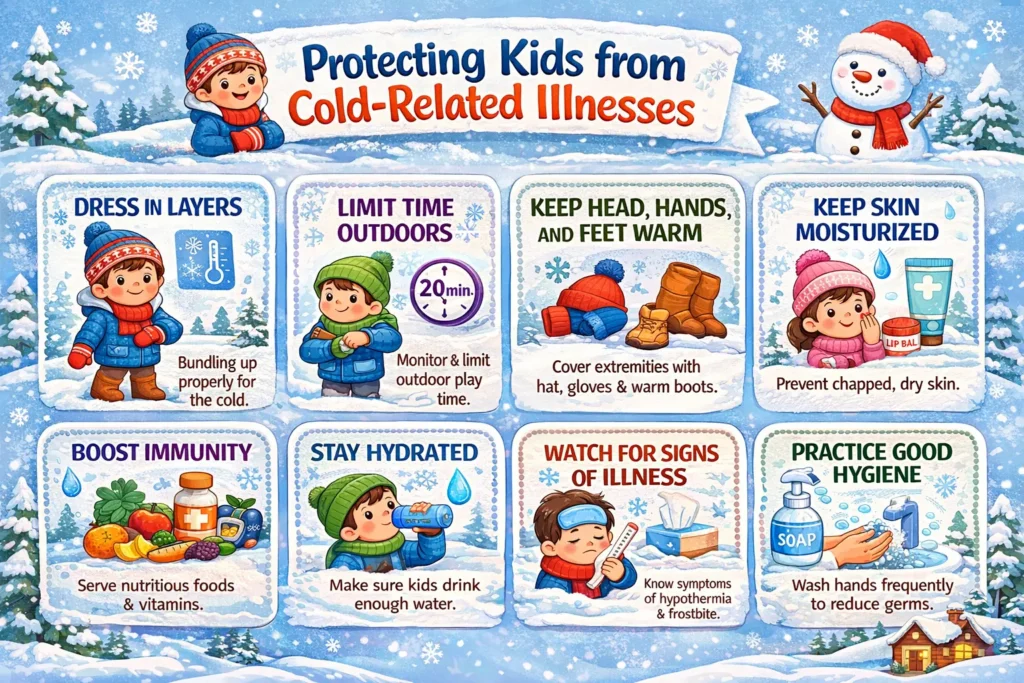
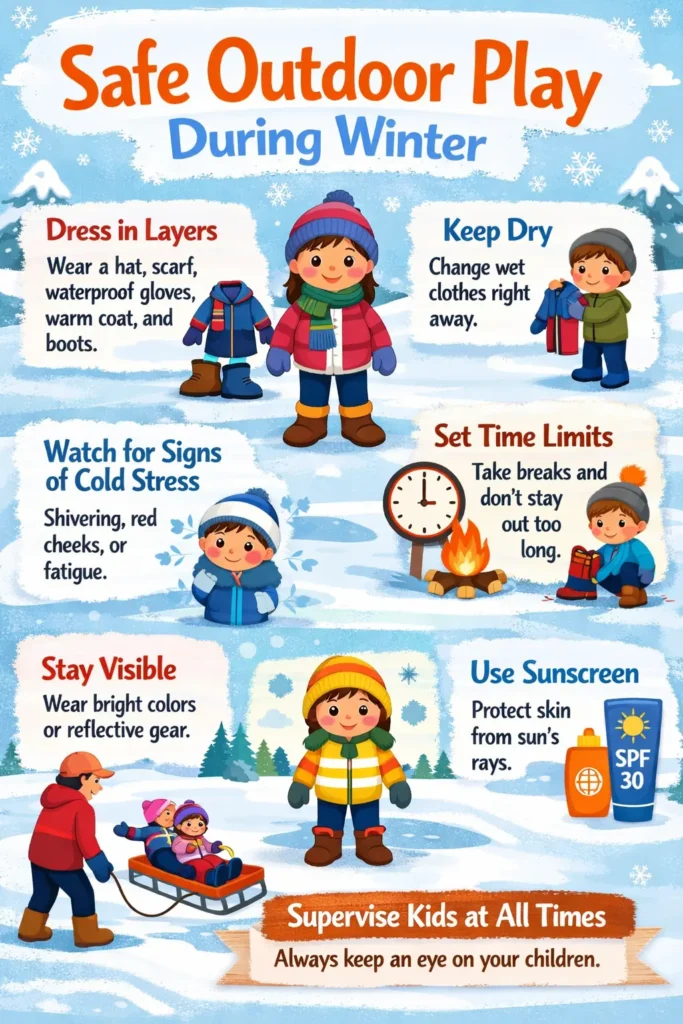
Proper clothing plays a fundamental role in protecting children from the cold, and layering remains one of the most effective strategies. A well-structured approach includes a moisture-wicking base layer, an insulating middle layer, and a protective outer layer that shields against wind and snow. Accessories such as gloves, hats, and insulated boots are equally important because significant body heat is lost through the head and extremities. It is also important to avoid overdressing, as excessive warmth can cause sweating, which later cools and increases the risk of chills. Keeping children dry and comfortably warm is one of the most practical winter health tips for kids that parents can implement daily.
Protecting Kids from Cold-Related Illnesses
Cold weather can lead to serious health risks if early warning signs are ignored, which is why awareness and prevention are critical. Frostbite typically affects exposed areas such as fingers, toes, ears, and the nose, causing numbness or pale skin, while hypothermia occurs when body temperature drops to unsafe levels, leading to fatigue and confusion. Children should be brought indoors promptly when temperatures become extreme, especially during strong winds or prolonged exposure. Monitoring weather conditions and limiting outdoor time during severe cold are essential winter health tips for kids that help prevent these risks.
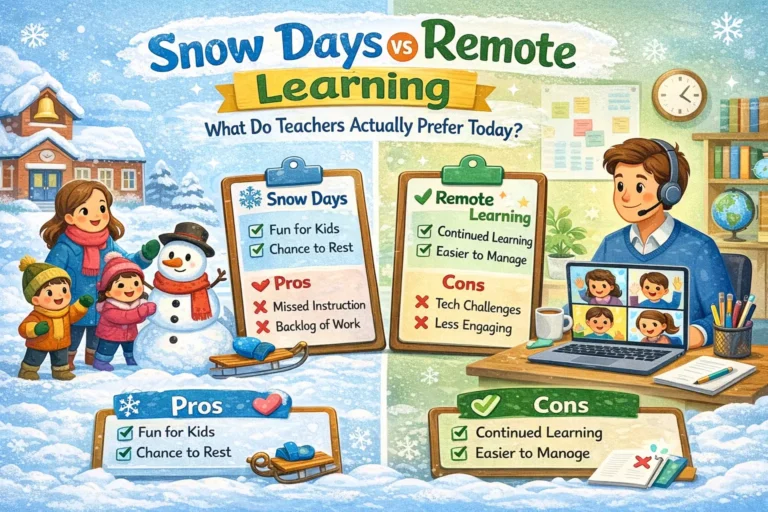
During extreme cold conditions, schools may close based on safety guidelines explained in how schools decide snow days.
Winter Skin Care and Hydration Tips
Cold air combined with indoor heating often leads to dry skin, cracked lips, and irritation, underscoring the importance of skincare in winter health routines. Applying a gentle moisturizer regularly helps maintain skin hydration, while lip balm prevents dryness and discomfort. Despite the cold weather, hydration remains equally important, as children may not feel as thirsty but still require adequate fluid intake. Using sunscreen during outdoor activities is also recommended, as sunlight reflected off snow can affect sensitive skin. Maintaining hydration and skin care are commonly overlooked yet valuable parts of effective winter health tips for kids.
Safe Outdoor Play During Winter
Outdoor play remains beneficial during winter, as it supports physical activity, mental well-being, and overall development, but it must be managed carefully. Children should play in safe, supervised areas away from roads, snowbanks, or frozen water surfaces that may not be stable. Parents should ensure that children take regular breaks to warm up and change out of wet clothing if necessary. While fresh air is important, balancing outdoor time with safety precautions is one of the most practical winter health tips for kids, allowing them to enjoy the season without unnecessary risk.
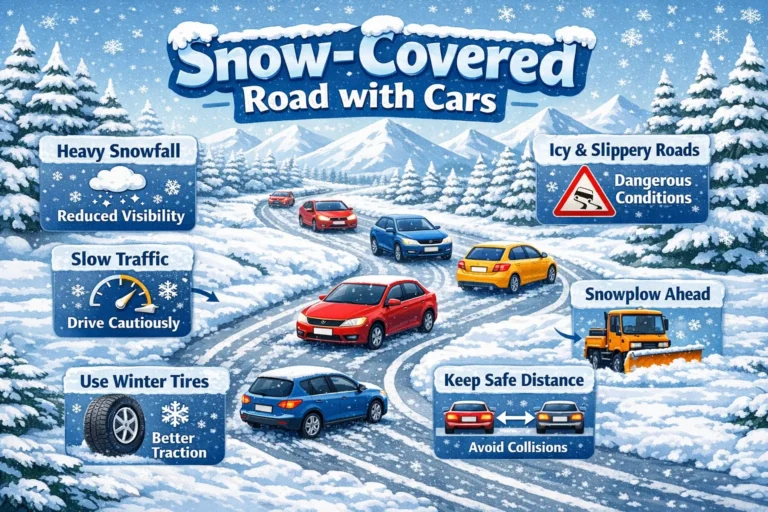
Parents should also consider road safety by reviewing how much snow makes driving dangerous before allowing outdoor travel.
Winter Safety Tips for Common Activities
Winter activities such as sledding, skating, and playing in the snow can be enjoyable but require proper safety measures to prevent injuries. Wearing helmets during activities like sledding or skating can reduce the risk of head injuries, while choosing safe locations away from traffic or obstacles is equally important. Children should also avoid playing on frozen lakes or ponds unless the ice has been officially confirmed as safe. Encouraging safe habits during recreational activities is an essential part of winter health tips for kids, ensuring that fun does not come at the cost of safety.
Daily Habits to Keep Kids Healthy in Winter
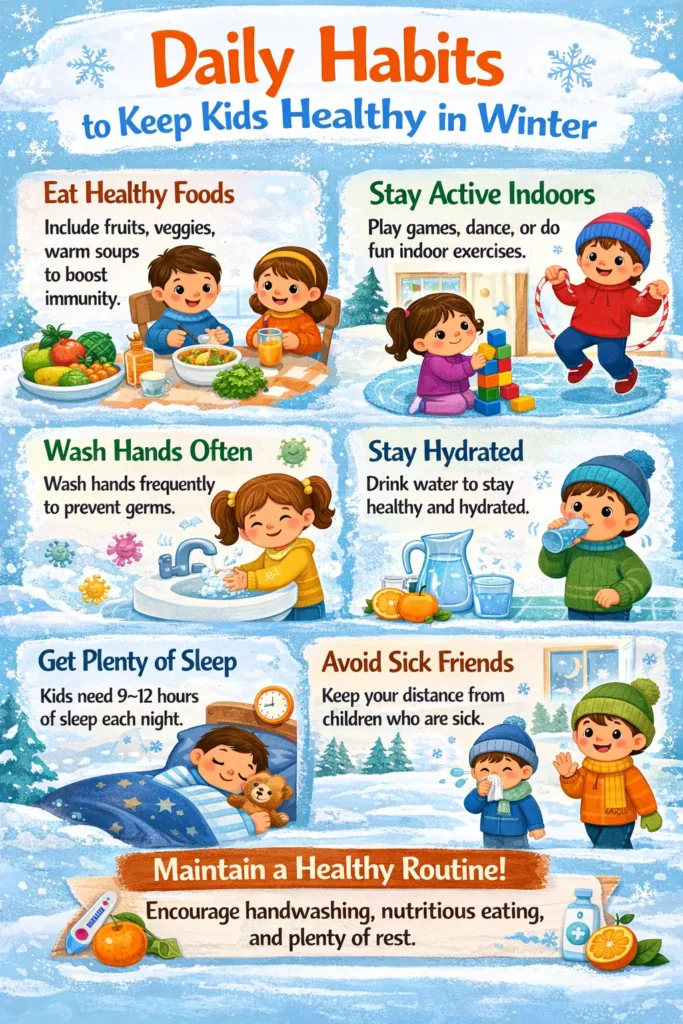
Maintaining a consistent daily routine helps support children’s health during colder months. A balanced diet rich in vitamins and nutrients strengthens the immune system, while proper sleep allows the body to recover and function effectively. Indoor air quality should also be considered, as heating systems can reduce humidity levels and cause discomfort. Using a humidifier or ensuring proper ventilation can improve indoor conditions. These small yet consistent habits form the foundation of reliable winter health tips for kids that promote long-term well-being.
Winter routines can also be affected by closures, which is explained in how snow days affect students learning.
Common Mistakes Parents Should Avoid in Winter
Many winter-related health issues arise from simple mistakes that can be easily prevented with greater awareness. Overdressing children may seem protective, but it can lead to sweating and increased discomfort once they are exposed to cold air. Ignoring wind chill is another common oversight, as it significantly affects how cold the weather feels and increases risk. Allowing children to remain in wet clothing for extended periods can also lead to rapid heat loss. Avoiding these mistakes is crucial to applying effective winter health tips for kids in everyday situations.
Parents can also follow essential winter health tips for kids to stay safe during extreme weather.
Frequently Asked Questions
How cold is too cold for kids to play outside?
When temperatures drop significantly below freezing or the wind chill becomes severe, it is safer to limit outdoor exposure and keep children indoors.
What should kids wear in freezing weather?
Children should wear layered clothing, including a warm base layer, an insulated middle layer, and protective outerwear, along with gloves, hats, and boots.
How do you protect kids from winter illness?
Maintaining proper clothing, hydration, nutrition, and limiting exposure to extreme cold can help reduce the risk of winter-related illnesses.
Is it safe for kids to play in the snow daily?
Yes, as long as conditions are safe, children are properly dressed, and outdoor time is balanced with regular warming breaks.
Conclusion
Winter can be both enjoyable and challenging for children, but with the right precautions, it is possible to maintain safety and well-being throughout the season. By focusing on proper clothing, health awareness, safe activities, and consistent routines, parents can ensure that their children remain protected during colder months. Applying practical winter health tips for kids not only reduces health risks but also allows children to enjoy winter activities with confidence and comfort.