How Do Schools Decide Snow Days in Canada? Boards, Buses, and Wind Chill
Every Canadian winter, the same question comes up the night before a storm: how do schools decide snow days?
It can look random. One board closes, the board next door stays open, and the weather looks the same from your window. There is a process behind it.
This page covers who makes the call in Canada, what they look at, and when the decision usually lands.
Check your chances using the snow day calculator.
Who Actually Decides a Snow Day in Canada?
Snow days are not called by individual schools or principals. The decision sits with:
- School boards (district authorities)
- Superintendents
- Transportation departments
These groups assess conditions across a whole region. In large provinces like Ontario or Alberta, that can mean coordinating across several municipalities.
This structure keeps decisions:
- Consistency in decision-making
- Alignment with transportation logistics
- Region-wide student safety
A snow day is a call made by a group of people with a process, not a spur-of-the-moment choice.
What Factors Do Schools Consider Before Declaring a Snow Day?
Closures rest on several factors at once, not just snowfall. Here is what carries the most weight.
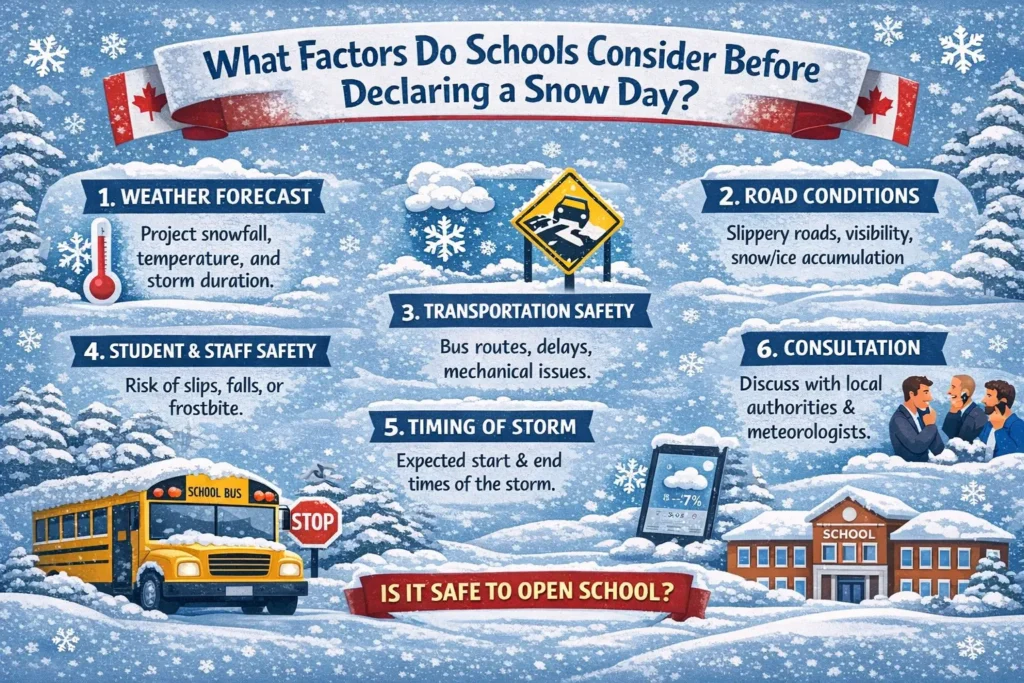
1. Snowfall Accumulation and Timing
While snowfall is an obvious factor, decision-makers evaluate:
- Total accumulation (cm/inches)
- Rate of snowfall
- Timing (overnight vs early morning)
For instance, heavy overnight snowfall can allow municipalities to clear roads before school hours, whereas early-morning snowstorms can create hazardous commuting conditions.
2. Road Conditions and Transportation Safety
This carries the most weight in Canada.
School boards prioritize:
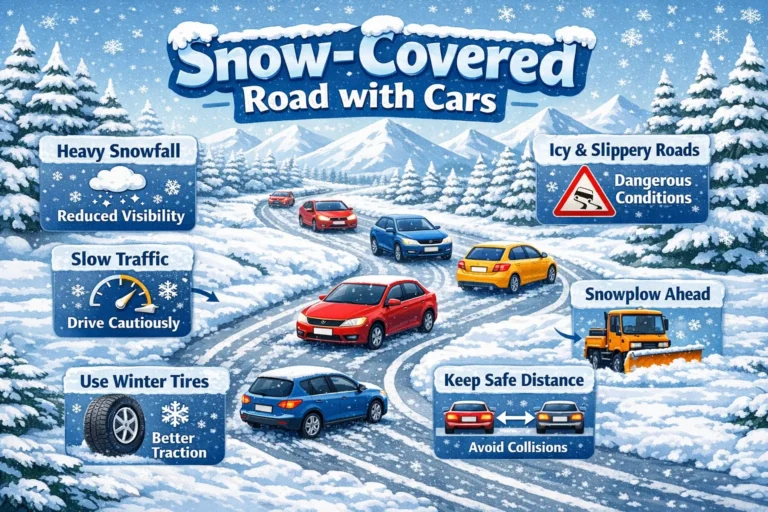
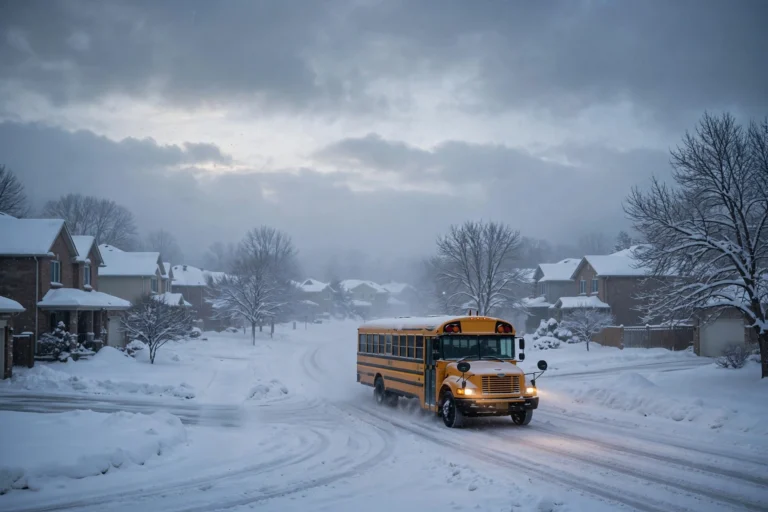
- Bus route safety (especially in rural areas)
- Road visibility
- Ice formation and black ice risks
If school buses cannot operate safely, a closure becomes highly probable—even if snowfall appears moderate.
3. Temperature and Wind Chill
Extreme cold can close schools on its own, especially in provinces with hard winters.
Authorities assess:
- Wind chill levels
- Frostbite risk for students waiting outdoors
- Exposure duration during transit
Even in the absence of snowfall, dangerously low temperatures alone can trigger closures.
4. Weather Forecast Reliability
Forecast accuracy matters. Boards rely on:
- Meteorological predictions
- Real-time weather updates
- Probability of escalation
In situations where forecasts are uncertain, schools may delay decisions until early morning to ensure accuracy.
School boards rely on accurate forecasts from official sources such as Environment and Climate Change Canada to assess storm severity and timing.
5. School Infrastructure and Operational Safety
Beyond weather, internal conditions are also evaluated:
- Heating system functionality
- Power outages
- Accessibility of school premises
A school may close even with mild weather if the infrastructure cannot support safe operations. Boards coordinate closely with their transportation departments before announcing anything.
Why Do Some Schools Close While Others Stay Open?
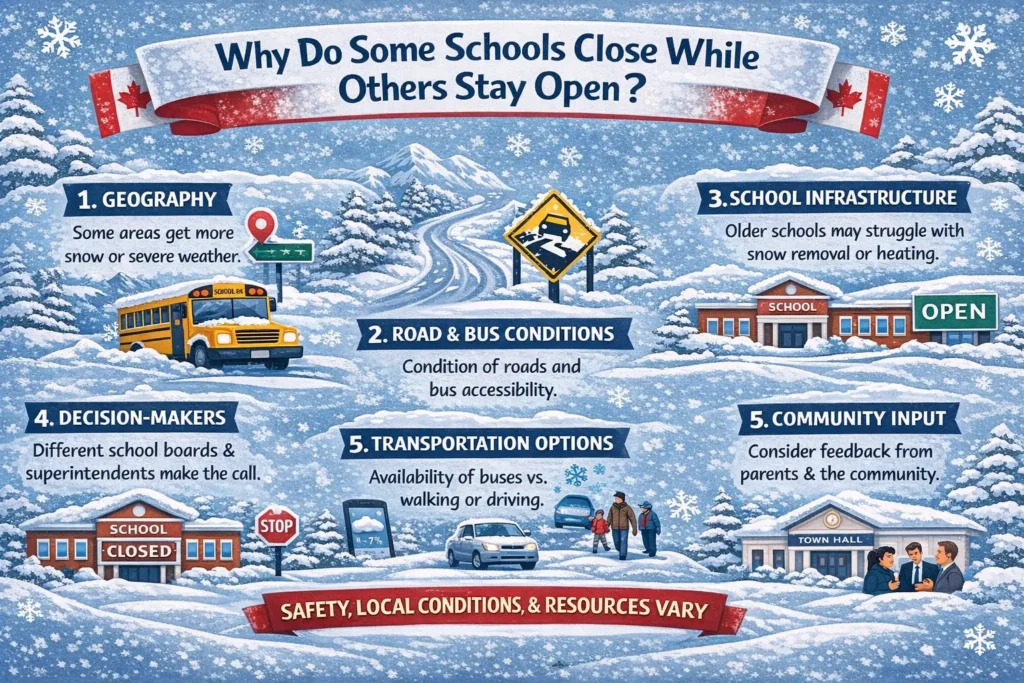
This is the question parents ask most. A few things explain it.
Here is what drives the difference:
Different School Boards
Each board operates independently and may apply distinct safety thresholds.
Microclimates
Weather conditions can vary significantly within short distances. One region may experience severe snowfall, while another remains relatively unaffected.
Transportation Differences
Urban areas often have:
- Better road maintenance
- Shorter commuting distances
In contrast, rural regions face:
- Longer bus routes
- Poorer road conditions
Risk Assessment Variability
Some boards adopt a more conservative stance, prioritizing precaution, while others may tolerate moderate risk.
This explains why two neighboring schools may arrive at different decisions under similar weather conditions.
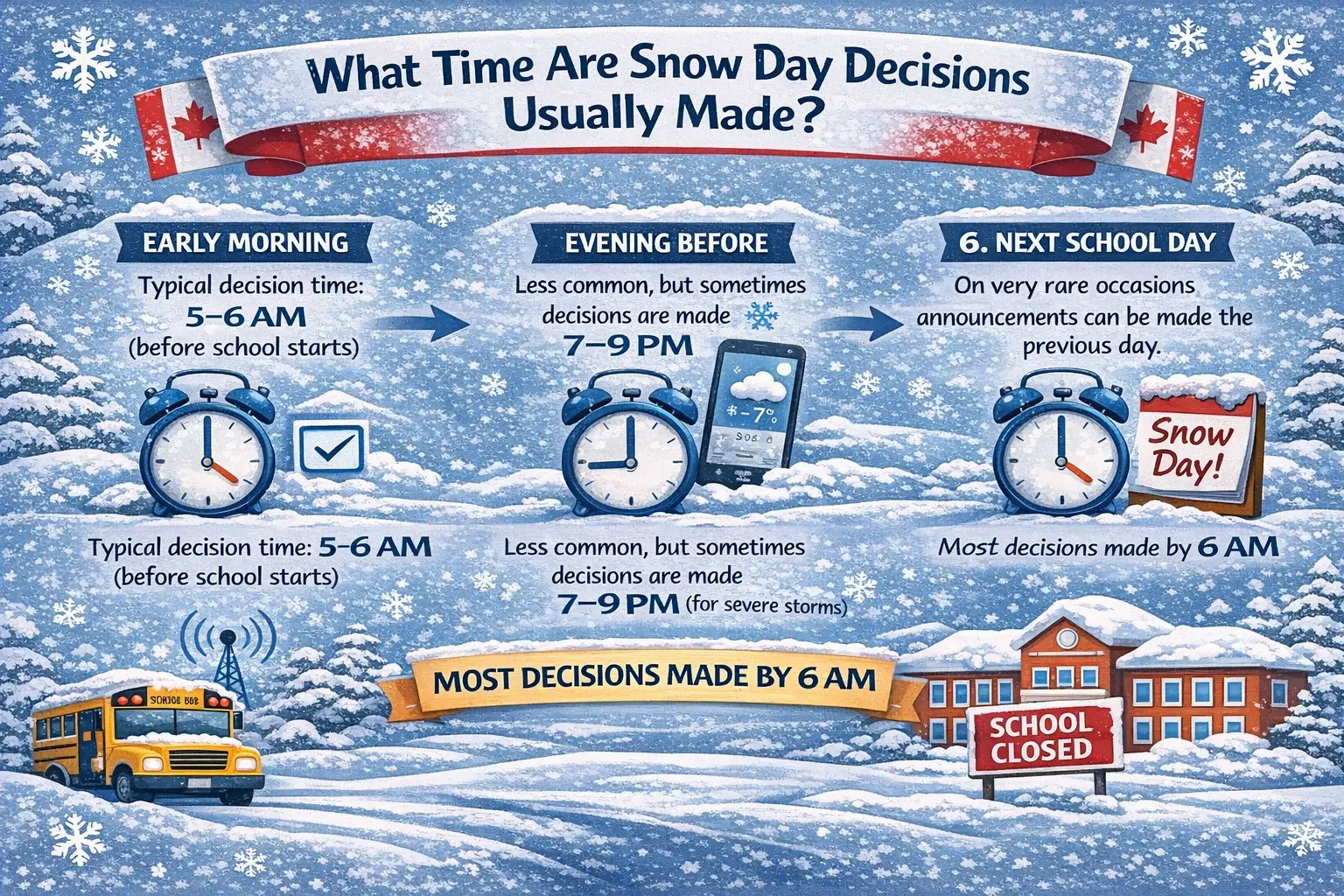
What Time Are Snow Day Decisions Usually Made?
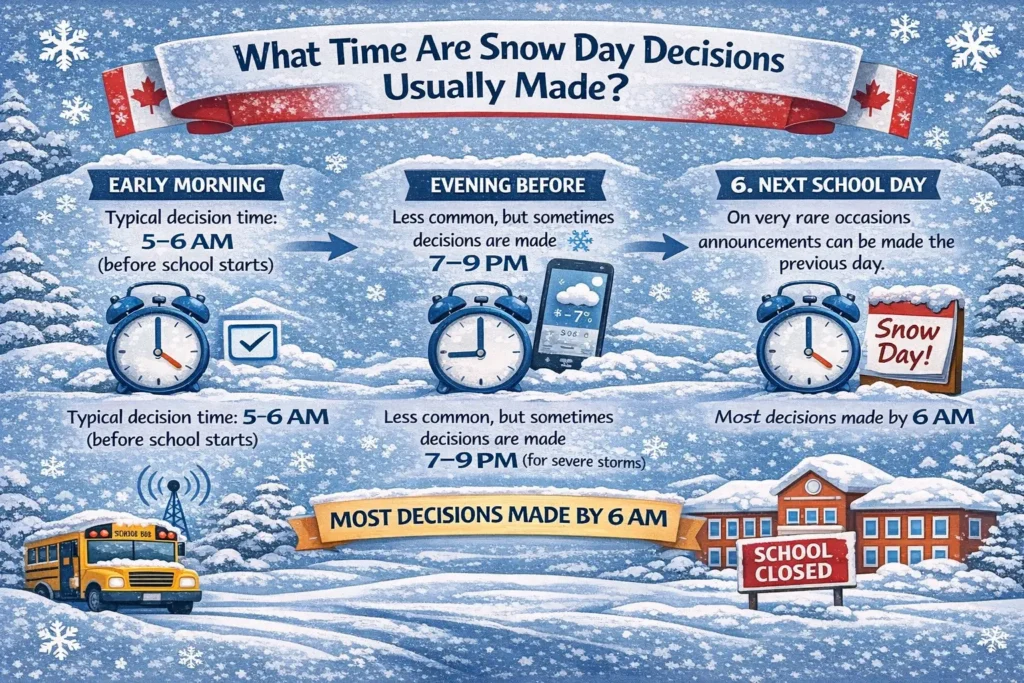
Most school boards in Canada announce closures early in the morning, typically between:
- 5:00 AM – 6:30 AM
This timing allows authorities to:
- Analyze overnight developments
- Incorporate updated forecasts
- Assess road clearing progress.
In rare cases, decisions may be announced the night before if a major storm is highly predictable.
How Do Canadian School Boards Communicate Closure Announcements?
Boards announce closures through several channels:
- Official school board websites
- Email and SMS notification systems
- Local news networks
- Social media platforms
Sign up for your board’s alert system if you want the news first.
Are Snow Days Still Common in Canada?
Snow days have changed in recent years.
With the rise of remote learning infrastructure, some school boards now opt for:
- Online classes instead of closures
- Hybrid learning models during severe weather
However, in cases of:
- Power outages
- Internet disruptions
- Extreme safety risks
Traditional snow days remain unavoidable.
The shift toward virtual classes has changed how closures are handled. Explore the full comparison in our guide on snow days vs remote learning.
Can Canadian Families Predict a Snow Day in Advance?
No prediction is perfect, but you can get closer by looking at:
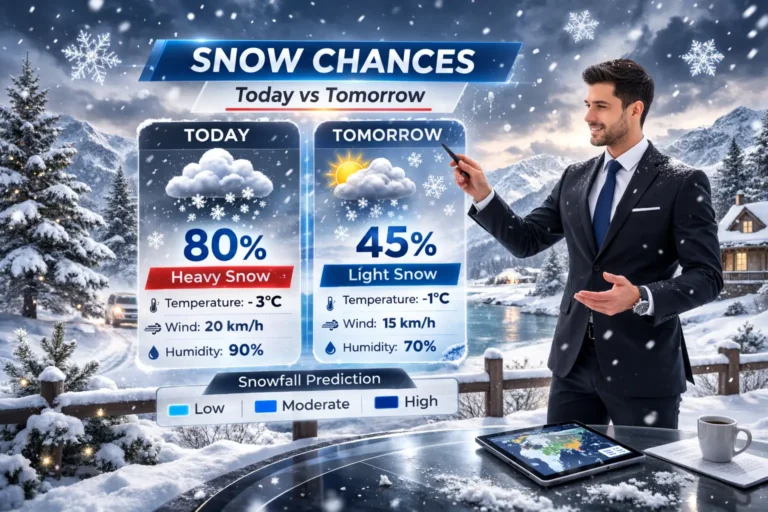
- Weather forecasts (snowfall + temperature)
- Historical closure patterns
- Local school board behavior
To simplify this process, you can use a dedicated prediction tool.
Check your odds with the snow day predictor, or see the Ontario forecast for board-level detail. For a Simcoe County example, see the Barrie predictor.
Why Schools Sometimes Stay Open Despite Heavy Snow
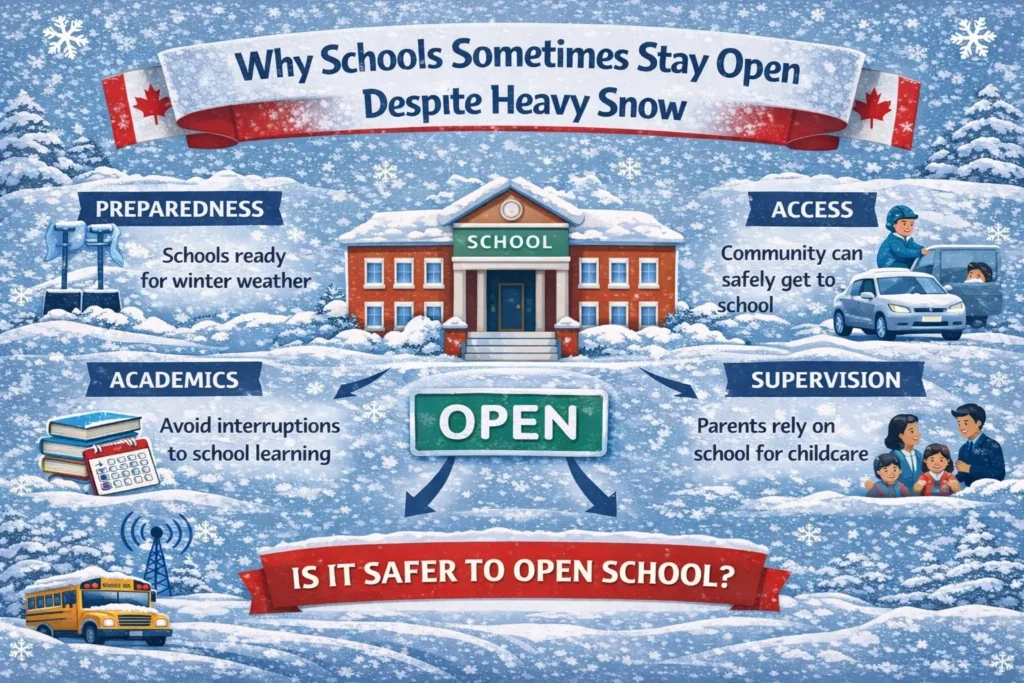
This is a common frustration among students and parents.
The reasoning often includes:
- Roads are still operational despite snowfall.
- Snow removal services are active and effective.
- Conditions are expected to improve during the day.
- Closure thresholds have not been met.
In other words, snow visibility does not necessarily indicate unsafe conditions.
FAQs
Who makes the final decision for a snow day?
School boards and superintendents make the final decision, often in coordination with transportation and safety officials.
How cold does it have to be for schools to cancel in Canada?
There is no universal threshold, but extreme wind chills (e.g., below -35°C to -40°C) often lead to closures due to frostbite risk.
How much snow causes a snow day?
It depends on multiple factors, including timing, road conditions, and regional infrastructure. There is no fixed snowfall amount.
Why don’t schools close even when it’s snowing heavily?
If roads remain safe and transportation systems can operate, schools may stay open despite visible snowfall.
What It Comes Down To
Snow day decisions in Canada come down to three things: the weather, whether buses can run, and the judgment of the people making the call.
Boards weigh several factors at once rather than one. When they conflict, student safety wins over keeping the calendar intact.
Watching the forecast and checking a prediction tool the night before gives you the clearest read.
Use the SnowDayCA snow day predictor to check the odds for your city before the next storm.