Is Shoveling Snow Dangerous? Risks, Causes & How to Stay Safe
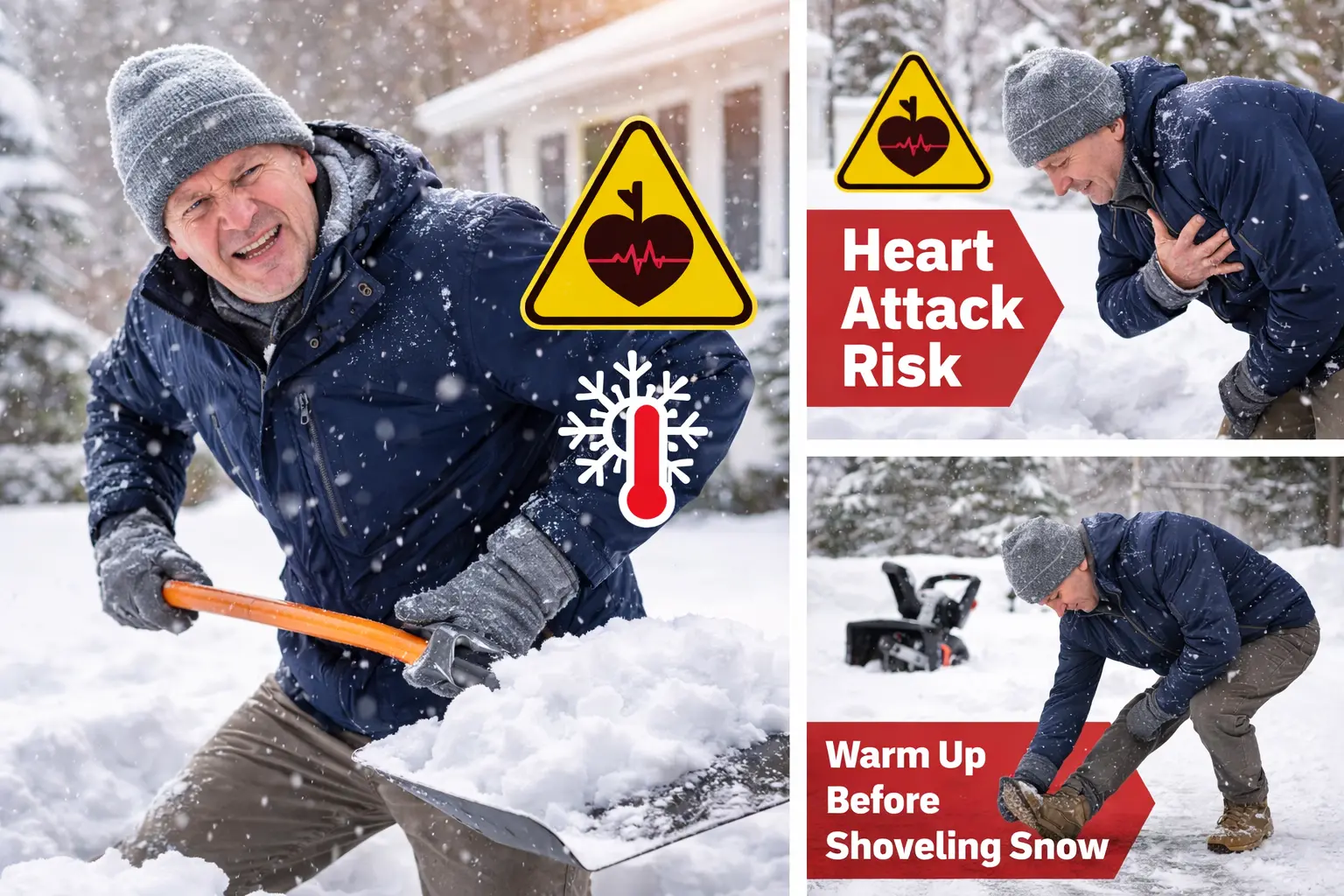
Shoveling snow might seem like a simple winter chore, but every year it leads to thousands of injuries, and even deaths. What most people don’t realize is that this routine activity can put extreme stress on your body, especially your heart.
If you’ve ever grabbed a shovel after a heavy snowfall without thinking twice, this guide will help you understand the real risks involved, why it can be dangerous, and how to do it safely.
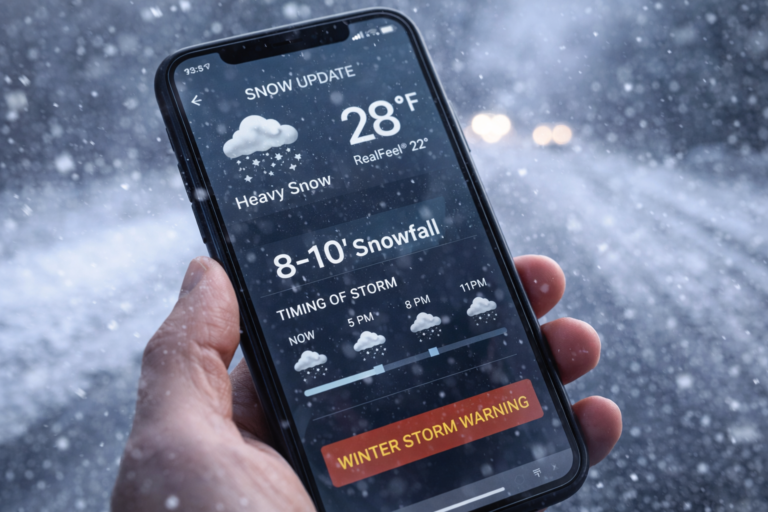
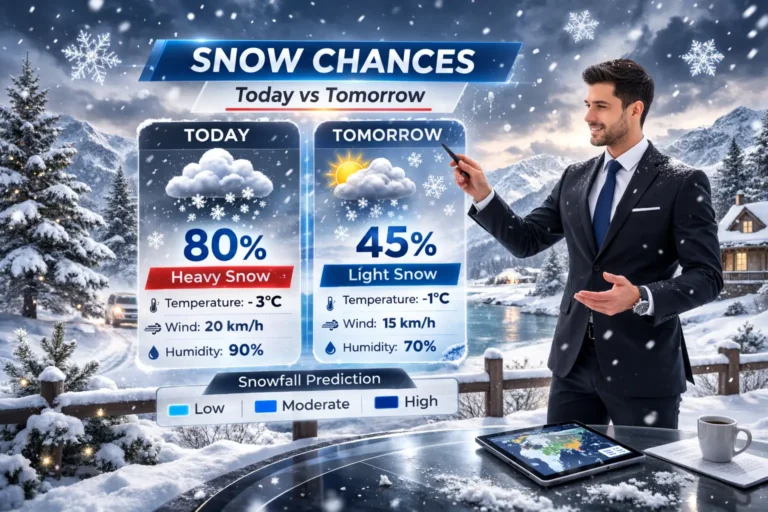
Also you can predict chances of snow with snow day predictor.
Why Shoveling Snow Can Be Dangerous
At first glance, snow shoveling doesn’t look risky. But the combination of cold weather and sudden physical exertion creates a perfect storm for serious health issues.
Sudden Physical Exertion
Most people don’t shovel snow regularly. That means your body goes from:
- Low activity → intense physical effort
This sudden jump puts a shock on your cardiovascular system. Your heart has to work harder, faster, and under pressure, especially if you’re not physically active.
Increased Risk of Heart Attack
One of the biggest dangers of shoveling snow is the increased risk of heart attacks.
Here’s why:
- Shoveling uses your arms heavily (which strains the heart more than leg workouts)
- Lifting snow increases blood pressure quickly
- Cold air reduces oxygen intake
This combination can trigger serious cardiac events, even in people who appear healthy.
Cold Weather Makes It Worse
Cold temperatures amplify the danger.
When you’re outside in freezing conditions:
- Blood vessels constrict
- Blood pressure rises
- Heart workload increases
Now combine that with lifting heavy snow, and your body is under extreme stress.
Heavy Snow Adds Extra Strain
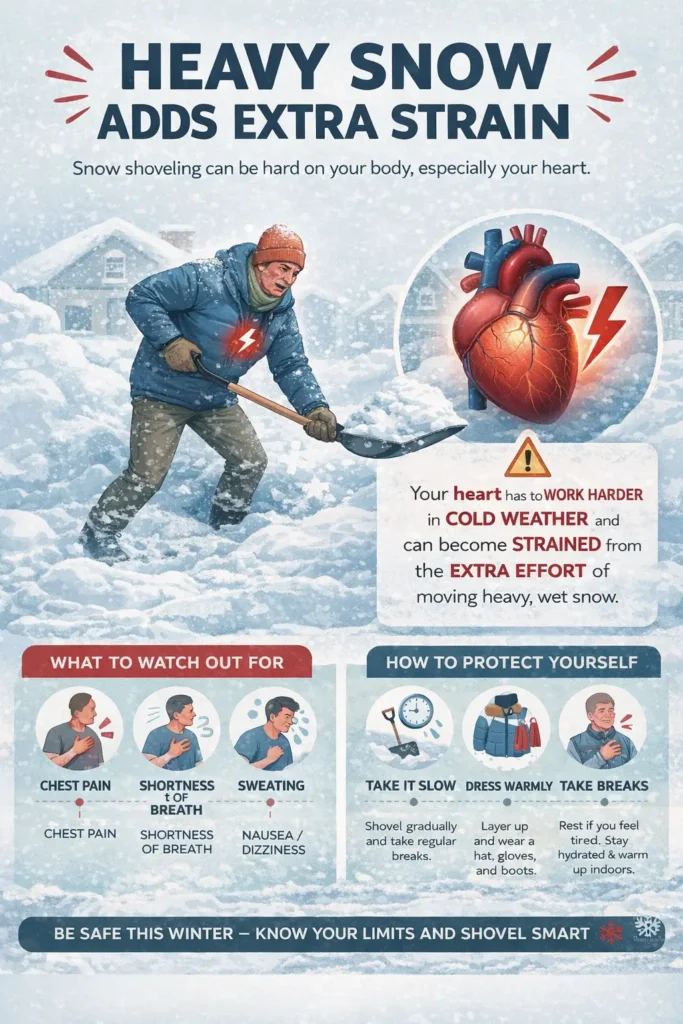
Not all snow is the same.
- Light, powdery snow → easier to manage
- Wet, heavy snow → significantly more dangerous
Wet snow can weigh 3–5 times more, meaning each shovel load puts more pressure on your muscles and heart.
How Many People Get Injured While Shoveling Snow?
This isn’t a rare issue—it’s a recurring seasonal problem.
Each year:
- Thousands of injuries are reported
- Around 100+ deaths are linked to snow shoveling
- Most incidents involve heart attacks or back injuries
This makes it one of the most underestimated winter hazards.
Who Is Most at Risk?
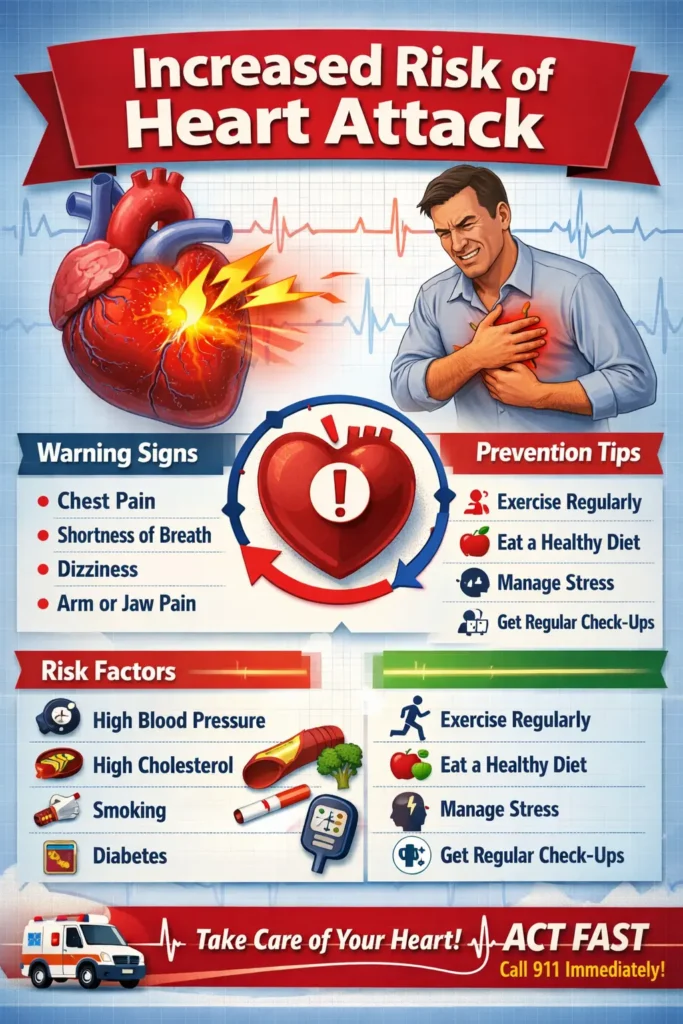
Not everyone faces the same level of danger. Certain groups are at significantly higher risk.
People Over 40
As you age, your cardiovascular system becomes more vulnerable to sudden stress.
Sedentary Individuals
If you don’t exercise regularly, your body isn’t prepared for intense physical work like snow shoveling.
People With Heart Conditions
Existing heart disease, high blood pressure, or cholesterol issues increase risk dramatically.
Smokers
Smoking affects oxygen flow and blood circulation, making physical exertion more dangerous.
Hidden Risk Factor
Even if you feel “fine,” underlying conditions can exist without symptoms. That’s why clearing snow by hand can be risky even for people who consider themselves healthy.
Warning Signs You Should Never Ignore
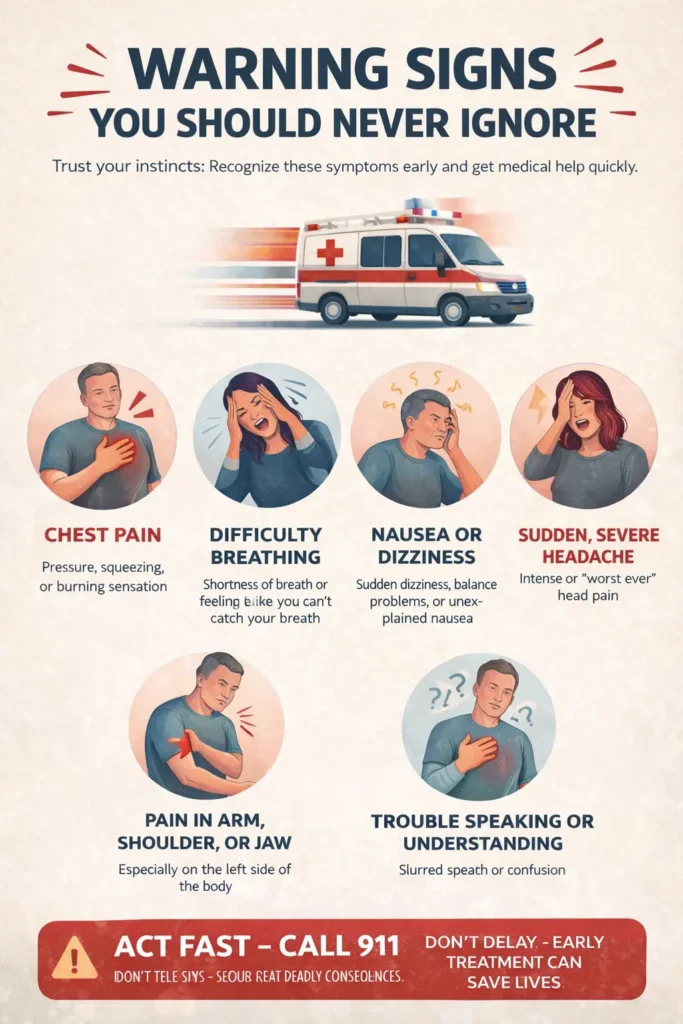
Your body often gives early signals before something serious happens.
Stop immediately if you feel:
- Chest pain or pressure
- Shortness of breath
- Dizziness or lightheadedness
- Pain in arms, neck, or jaw
Ignoring these signs can turn a manageable situation into a medical emergency.
How to Shovel Snow Safely Step-by-Step Guide
You don’t have to avoid snow shoveling completely, but you must approach it strategically.
Before You Start
Preparation is critical.
- Warm up your muscles for 5–10 minutes
- Stay hydrated (even in cold weather)
- Wear layered clothing
- Use proper footwear for grip
While Shoveling
Follow these rules to reduce strain:
- Take breaks every 5–10 minutes
- Work at a steady pace (not fast bursts)
- Avoid overloading your shovel
- Breathe consistently (don’t hold your breath)
Use Proper Technique
Most injuries happen due to poor form.
Correct method:
- Bend your knees, not your back
- Lift small amounts of snow
- Keep the shovel close to your body
- Avoid twisting while lifting
Smart Strategy: Push Instead of Lift
Whenever possible:
- Push snow aside instead of lifting it
This reduces strain on your heart and back significantly.
When You Should NOT Shovel Snow
In some situations, it’s better to avoid it completely.
Avoid this task if:
- You recently ate a heavy meal
- You have a history of heart problems
- You’re feeling sick or fatigued
- You’re not physically active
This is where many people make a critical mistake—they underestimate their limits.
Better Alternatives to Shoveling Snow
If you want to reduce risk, consider smarter options.
Use a Snow Blower
A mechanical solution reduces physical effort and saves time.
Hire Help
Paying someone to clear snow can be far safer than risking injury.
Clear Snow in Stages
Instead of waiting for heavy accumulation:
- Shovel smaller amounts multiple times
This reduces strain and makes the task manageable.
Common Mistakes People Make
Avoid these high-risk behaviors:
- Shoveling too fast
- Lifting heavy loads
- Ignoring fatigue
- Wearing improper footwear
- Skipping breaks
These mistakes are responsible for most snow-clearing injuries.
Real-Life Scenario Why This Matters
Imagine this:
Someone who rarely exercises goes outside after a heavy snowfall. Within minutes, they are:
- Breathing heavily
- Lifting wet snow
- Working in freezing air
Their heart rate spikes, blood pressure rises, and suddenly—they feel chest pain.
This situation happens every winter.
Final Verdict: Is Shoveling Snow Dangerous?
Yes, it can be dangerous, especially under the wrong conditions.
But the key takeaway is this:
It’s not the activity itself—it’s how and when you do it.
With proper precautions, awareness, and technique, you can significantly reduce the risks.
FAQs
Can shoveling snow cause a heart attack?
Yes, especially in cold weather combined with heavy physical effort.
What age should you stop shoveling snow?
There’s no fixed age, but people over 40 should be cautious and consult a doctor if needed.
Is it better to shovel or use a snow blower?
A snow blower is safer because it reduces physical strain.
How long should you shovel snow at a time?
Limit sessions to 5–10 minutes with breaks in between.
Conclusion
Most people treat it as just another chore—but it can quickly turn into a serious health risk if done incorrectly.
By understanding the dangers, recognizing warning signs, and following proper techniques, you can protect yourself and your family during winter.
If you found this helpful, make sure to explore our winter safety tips and stay prepared for the season ahead.