Impact of Snow Days on Students’ Learning in Canada
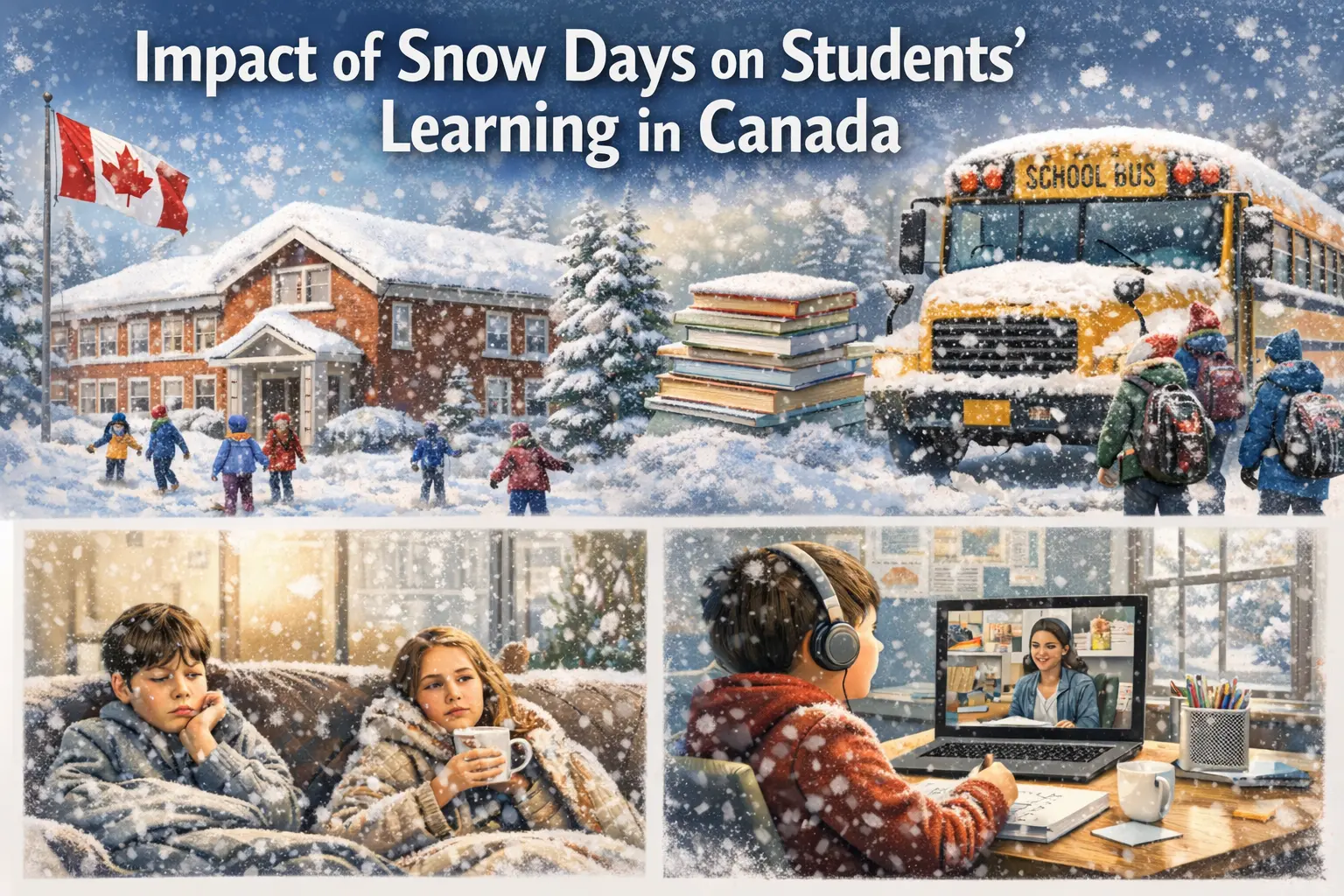
Winter storms are a normal part of life in many parts of Canada. When heavy snowfall or freezing temperatures make travel unsafe, schools often close for the day. For students, these closures can feel like an unexpected break from regular routines. However, educators and researchers often examine the impact of snow days on students’ learning, as repeated disruptions may affect academic progress, attendance patterns, and student well-being.
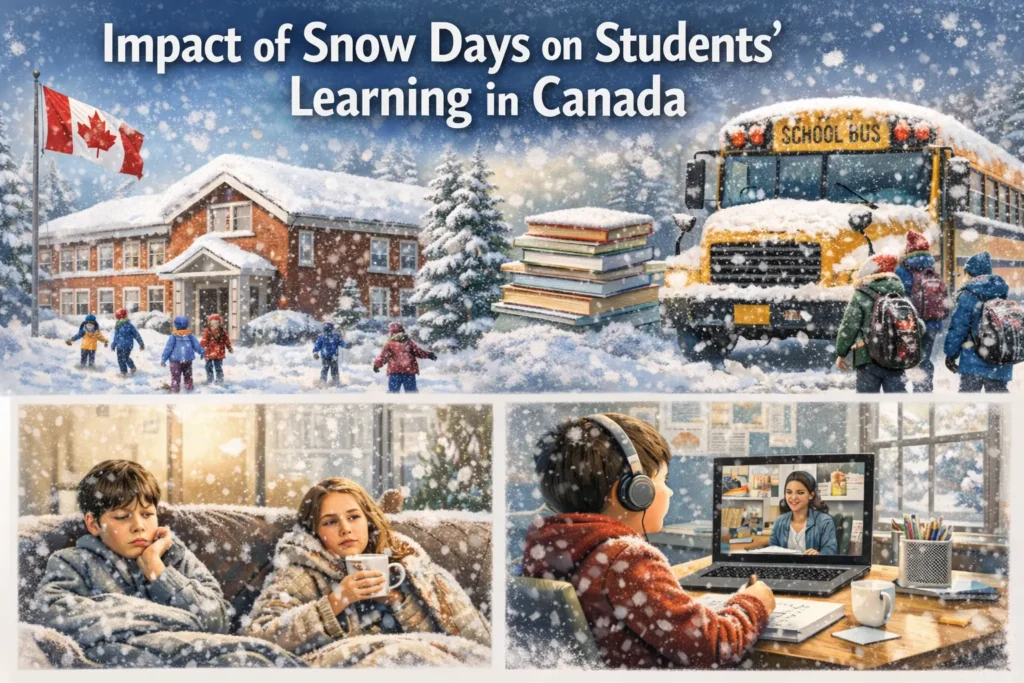
In a country where winter weather varies widely from region to region, understanding how snow days affect education helps schools plan more effective strategies to support students during seasonal disruptions.
Snow Days and the Canadian Education Environment
Across Canada, winter conditions regularly affect transportation and school operations. Coastal regions such as Vancouver Island may experience only occasional snowfall, while provinces such as Ontario, Quebec, and Manitoba face more intense winter storms.
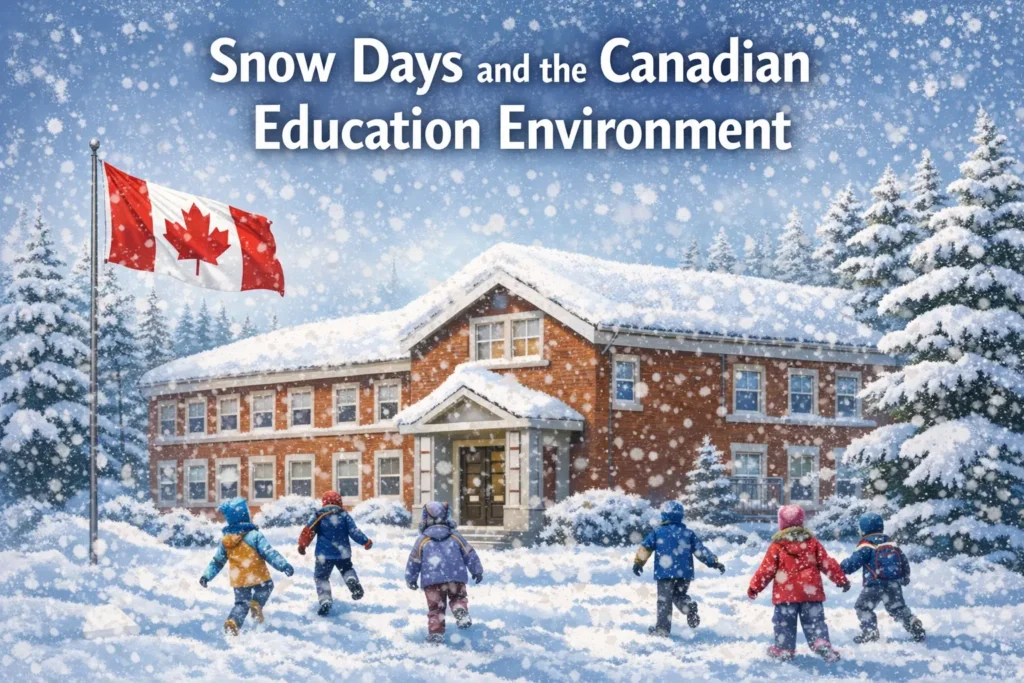
Cities such as Toronto, Calgary, and Montreal sometimes cancel classes when roads become dangerous or public transportation systems struggle to operate safely. In rural communities, the situation can be even more challenging because long school bus routes and snow-covered roads make travel difficult.
School boards like the Toronto District School Board and the Calgary Board of Education maintain clear procedures for severe weather closures. Even with these policies, the impact of snow days on students’ learning remains an important topic, as the number of closures varies significantly across regions.
Academic Research on the Impact of Snow Days on Students’ Learning

Several educational studies have explored how winter closures affect classroom outcomes. Research conducted by institutions such as the Ontario Institute for Studies in Education suggests that planned school closures usually have a limited effect on long-term academic performance.
When schools cancel classes for an entire district, teachers often reorganize lesson plans or adjust teaching schedules to make up for the missed time. In many cases, additional instructional days or modified lesson pacing help maintain the academic calendar.
However, the impact of snow days on students’ learning becomes more noticeable when weather conditions cause irregular attendance rather than full closures. For example, some students may attend school while others remain at home due to transportation problems. In these situations, teachers must balance different learning levels within the same classroom and may need to repeat important lessons.
Transportation and Attendance Challenges During Winter Weather
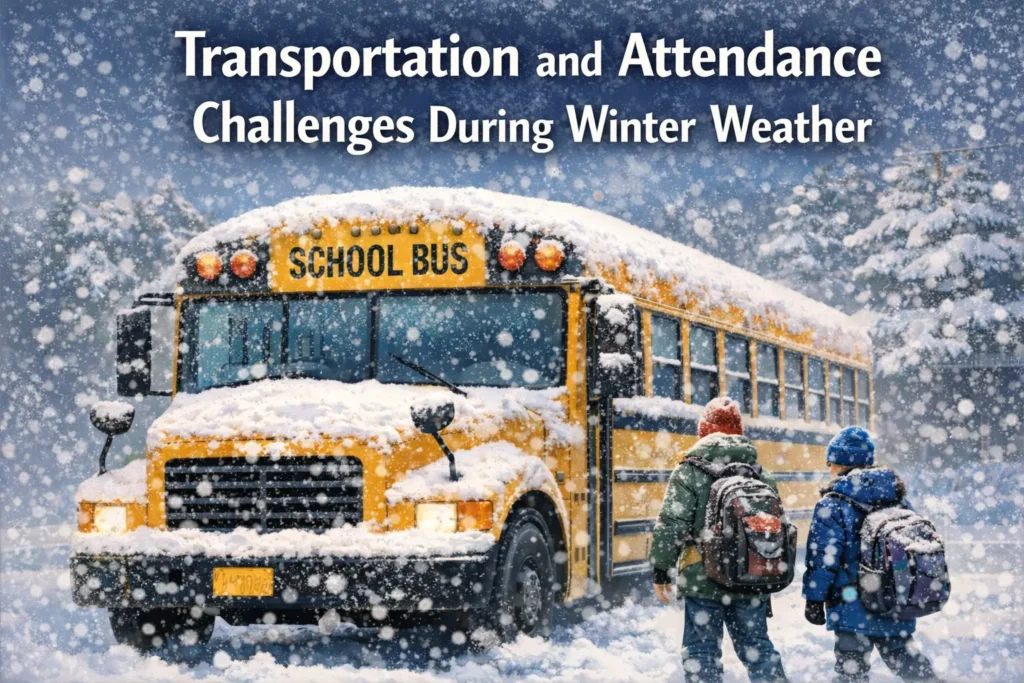
Canada’s large geography means weather conditions can differ greatly even within a single school district. In provinces such as Saskatchewan and Alberta, school bus routes may be canceled due to icy roads and reduced visibility, which create unsafe driving conditions.
When buses stop running, but schools technically remain open, many students cannot attend classes. This situation creates attendance gaps that may exacerbate the impact of snow days on students’ learning, especially when some students miss multiple lessons.
Transportation barriers can also affect families differently. Some households have access to reliable vehicles, while others depend on public transportation systems that may experience delays during winter storms. In cities such as Ottawa and Winnipeg, snowstorms often increase late arrivals and absences, which can affect students’ classroom preparedness.
School Closures and Learning Recovery Strategies
Most Canadian school systems expect occasional weather disruptions and prepare for them in advance. Many provinces include flexible instructional days in their academic calendars so that missed classes can be rescheduled if necessary.
These planning strategies help reduce the impact of snow days on students’ learning by giving teachers time to revisit key topics and maintain lesson continuity. After a closure, educators often review previous material before introducing new concepts to keep students on track.
However, prolonged winter storms or repeated closures may still challenge even well-prepared schools. When several days of instruction are lost in a short period, teachers may need to reorganize their curriculum pacing to ensure students fully understand key subjects such as mathematics, science, and language arts.
Remote Learning During Winter Closures
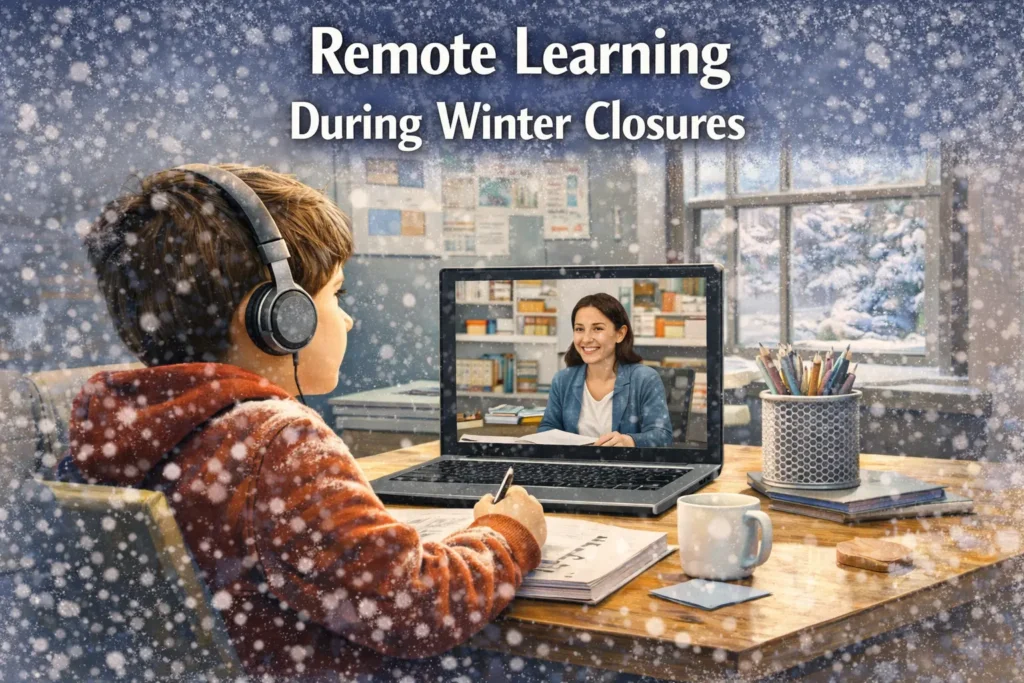
Online learning platforms became more common in Canadian schools after the COVID-19 pandemic. Today, some school districts consider virtual instruction as an alternative when severe weather prevents students from attending school in person.
For instance, the Peel District School Board has tested online learning during winter closures so students can participate in lessons from home. This approach helps maintain academic progress and may reduce the impact of snow days on students’ learning when weather conditions disrupt transportation.
Despite its benefits, virtual learning during snow days still presents challenges. Reliable internet access is not available everywhere, particularly in rural areas and northern communities. Younger students may also need parental supervision to fully participate in online classes.
Effects on Student Well-Being and Daily Routines
Snow days influence more than just academic schedules. They can also affect family routines, childcare arrangements, and student well-being.
For some students, an unexpected day away from school provides an opportunity to relax, spend time outdoors, and enjoy winter activities. This break can help students return to school refreshed and ready to focus on their studies.
At the same time, the impact of snow days on students’ learning can extend to emotional well-being. Some children rely on the structure and support that schools provide, including access to meals, counseling services, and social interaction with classmates. When schools close repeatedly, these support systems may temporarily disappear.
Teachers and school administrators often address these concerns by staying in contact with families, providing flexible assignments, and checking in with students during extended weather disruptions.
Practical Approaches for Canadian Schools
To manage the impact of snow days on students’ learning, schools across Canada continue to improve their planning strategies.
One important step involves clear communication with families regarding weather policies and transportation updates. When parents understand how closure decisions are made, they can better prepare for potential disruptions.
Schools also benefit from maintaining flexible days within the academic calendar so missed instruction can be recovered later in the year. Expanding digital learning tools and internet access in rural communities is another key strategy that helps ensure students remain connected to their education.
Supporting vulnerable students is equally important. Providing take-home learning materials and maintaining communication with families can help reduce the negative effects of unexpected closures.
Frequently Asked Questions
Do snow days significantly affect student learning in Canada?
In most cases, planned closures have only a minor academic effect because teachers adjust their lesson plans and make up for lost time. However, repeated absences due to transportation issues may amplify the impact of snow days on students’ learning.
How do schools reduce learning disruptions during winter storms?
Schools often include flexible days in their academic calendars and review important material once students return to class.
Are virtual snow days helpful?
Online learning can maintain instructional continuity during severe weather, but success depends on reliable internet access and student participation.
Can snow days influence student mental health?
Unexpected schedule changes may affect some students emotionally, especially those who rely on school support services. Teachers and families can help by maintaining communication and providing stable routines.
Conclusion
Snow days remain a regular part of Canadian life due to the country’s challenging winter climate. While these closures may excite students, they also highlight the need for thoughtful planning within the education system.
By preparing flexible school calendars, improving transportation planning, and expanding remote learning options, schools can reduce the impact of snow days on students’ learning while continuing to protect student safety and well-being during winter storms.