Snow Day Calculator AccuWeather: How It Works and How Accurate It Is
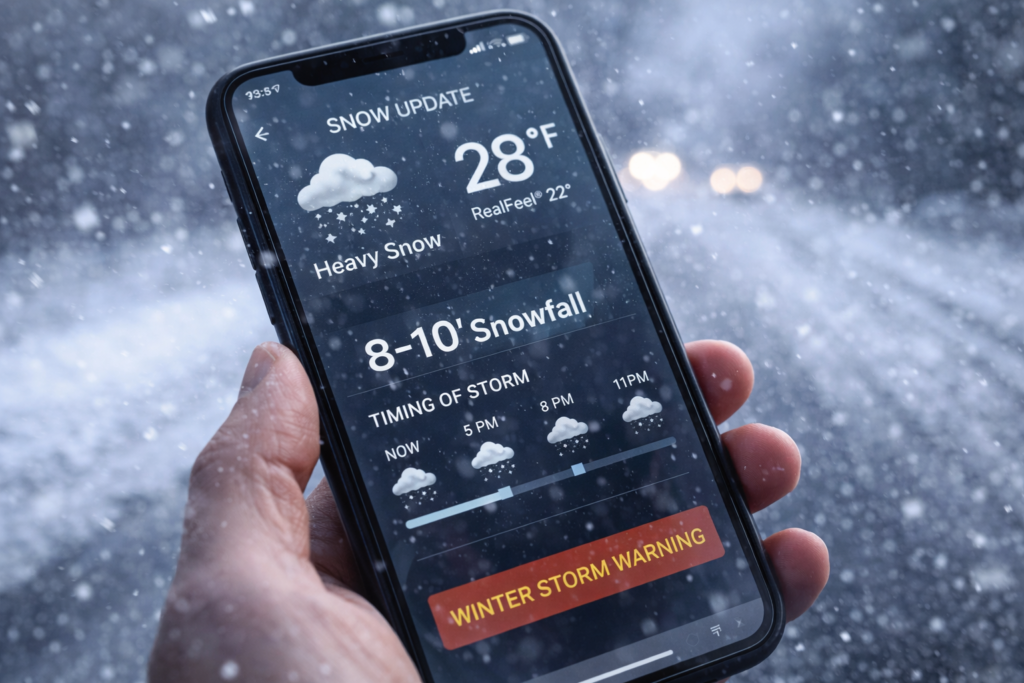
Winter weather often disrupts daily routines, especially when snowfall, freezing rain, or extreme cold begins to affect road safety and school transportation. Many families look for reliable ways to estimate whether schools may close, and one commonly searched approach is using the snow day calculator AccuWeather data to assess weather conditions. Although AccuWeather does not offer a direct snow day calculator, its detailed forecasts provide valuable insight into snowfall levels, temperature changes, and storm timing, which can help users make informed predictions about possible school closures and travel safety.
What Is the Snow Day Calculator AccuWeather Concept?
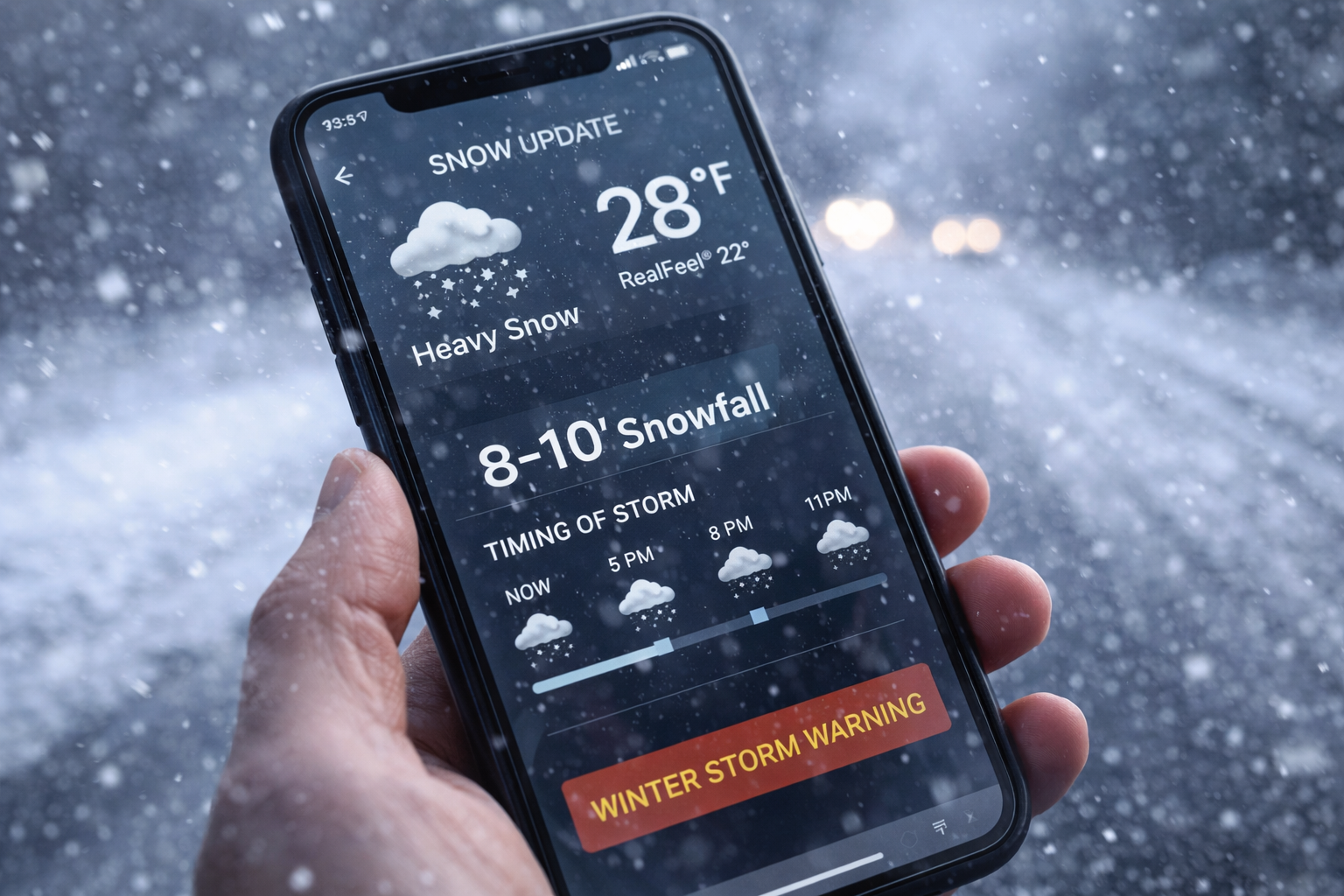
The term snow day calculator AccuWeather refers to the practice of using its detailed forecast data as a basis for estimating the likelihood of school closures. Instead of offering a direct prediction, AccuWeather provides comprehensive weather information, including hourly snowfall forecasts, temperature trends, wind chill values, and the likelihood of freezing rain or ice formation. These factors allow users to interpret conditions and decide whether the weather may disrupt school schedules. Many modern prediction tools use a similar approach, combining forecast data with historical patterns to generate probability-based results, making weather data an essential part of snow-day estimation.
How AccuWeather Data Supports Snow Day Predictions
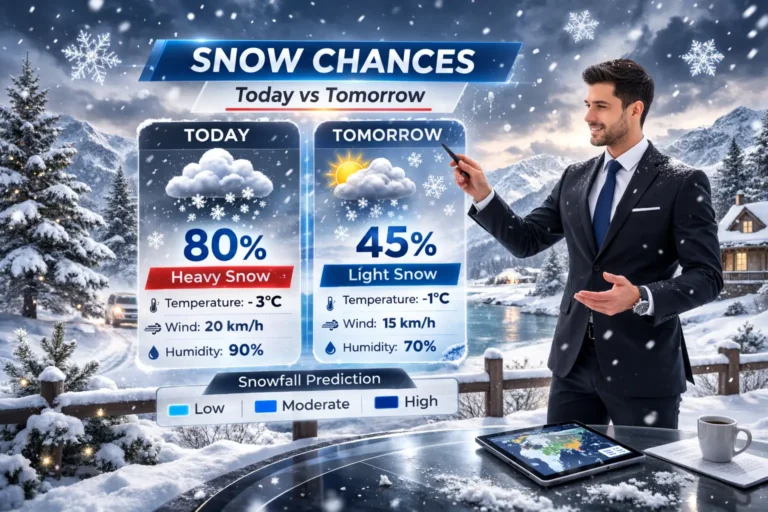
Accurate snow day predictions depend on multiple environmental factors, not just snowfall alone, and AccuWeather provides a detailed breakdown of these variables on a single platform. Snowfall forecasts are among the most important indicators, as heavier overnight accumulations often increase the likelihood of school closures, especially when roads are not cleared in time. However, the type of snow also matters, since wet, heavy snow tends to cause more disruption than light, dry snow. In addition to snowfall, temperature and wind chill play significant roles, as extremely low temperatures can make outdoor conditions unsafe for students waiting at bus stops, even when snowfall is relatively light.
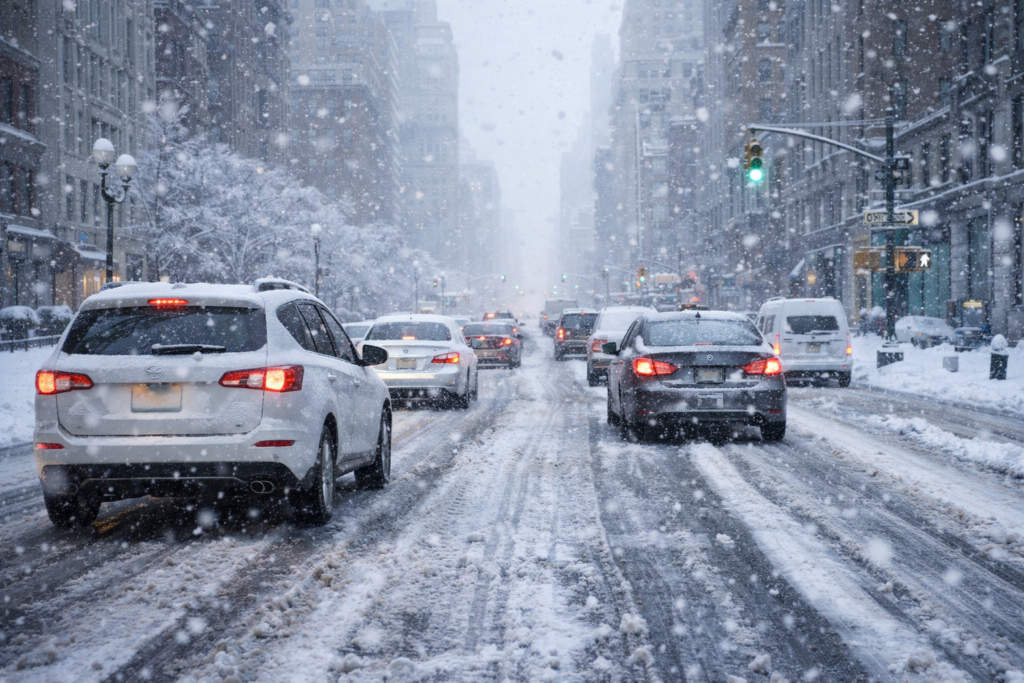
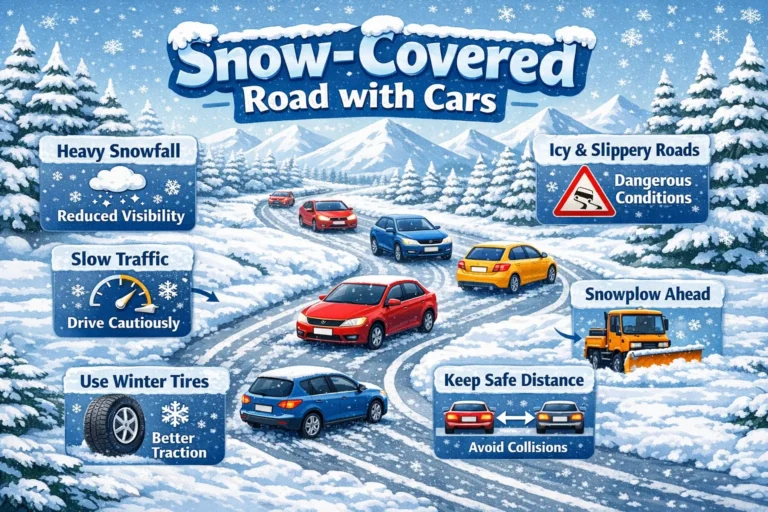
Another critical factor is the presence of ice or freezing rain, which can create hazardous road conditions even with minimal snowfall. AccuWeather forecasts clearly highlight these risks, allowing users to recognize situations where driving and transportation become unsafe. Storm timing also influences decisions, as early-morning snowfall has a greater impact on school operations than snow that begins later in the day. By analyzing these combined elements, users can better interpret snow day calculator AccuWeather data and make realistic expectations about closures.
Why AccuWeather Forecasts Are Useful for Snow Day Planning
AccuWeather is widely used because it provides precise, location-based weather forecasts that update frequently and reflect real-time changes. Its ability to deliver hourly updates, detailed snowfall predictions, and early storm warnings makes it a valuable resource for families and students planning ahead during the winter months. In cities where weather conditions can change rapidly, such as Toronto or Ottawa, these forecasts help users stay informed and reduce uncertainty. Many people check weather updates the night before and again in the early morning to determine whether travel conditions may become unsafe or if schools are likely to close.
Limitations of Using AccuWeather as a Snow Day Calculator
While AccuWeather offers reliable weather data, it does not make final decisions on school closures, so it cannot replace a dedicated prediction tool. School boards consider several additional factors beyond weather forecasts, including road maintenance, transportation safety, staff availability, and local policies. This means that even when weather conditions appear severe, schools may remain open, depending on how well roads are maintained and how well prepared the district is to handle winter conditions. For this reason, many users combine forecast data with a snow day predictor to gain a clearer understanding of potential outcomes.
Snow Day Calculator vs AccuWeather Forecast
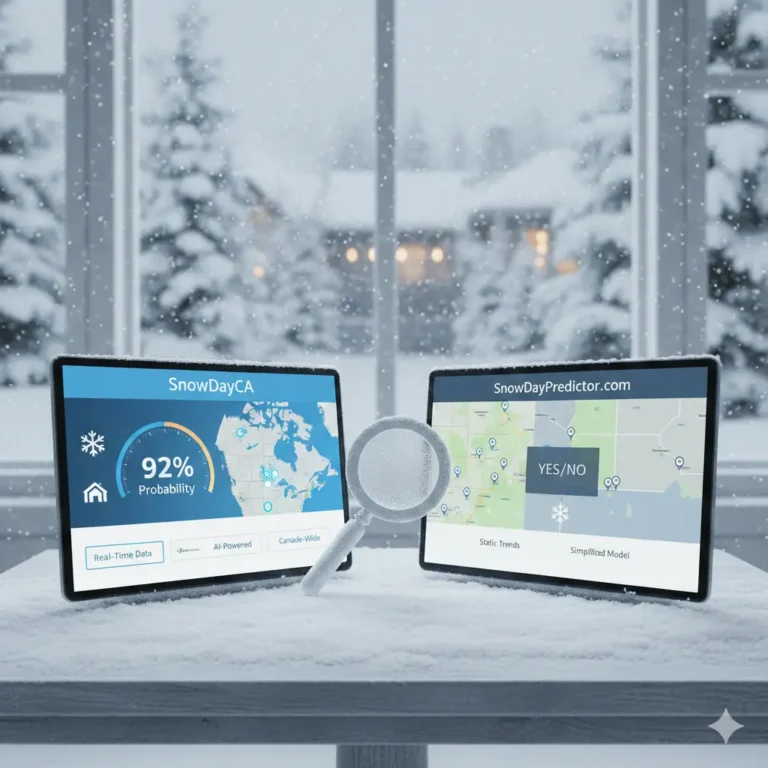
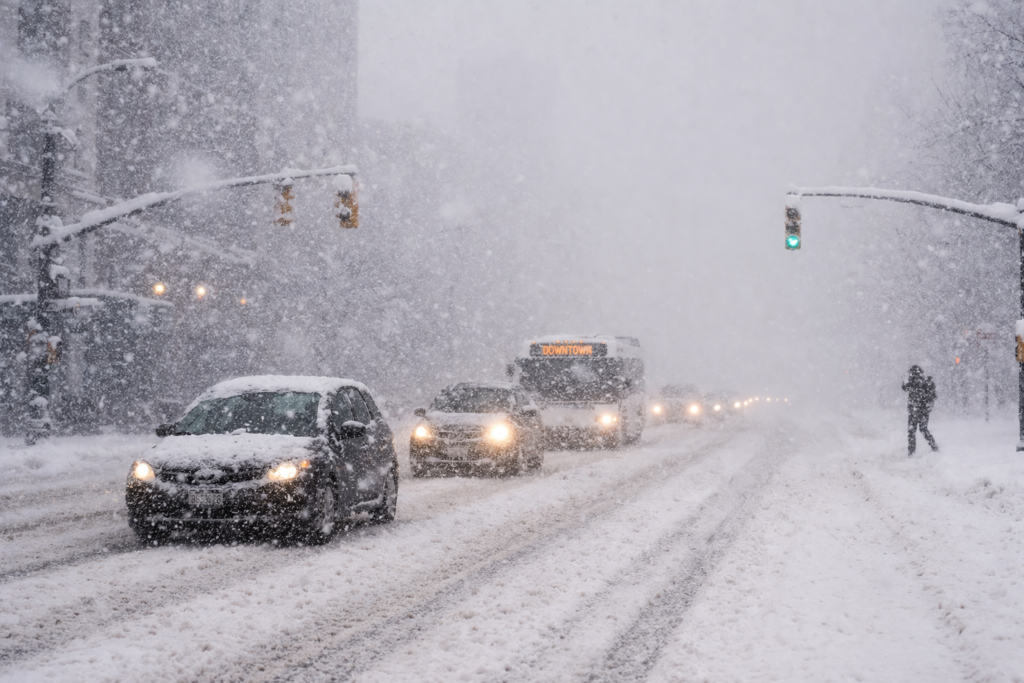
There is a clear distinction between a snow day calculator and a weather forecasting platform like AccuWeather. A snow day calculator typically analyzes multiple data sources, including historical school closures and real-time weather inputs, to generate a percentage-based prediction of whether schools will close. In contrast, AccuWeather focuses on delivering raw weather data without converting it into a direct prediction. Using both together provides a more complete picture, as forecasts supply the necessary environmental details while calculators interpret those details into actionable insights that are easier for users to understand.
Snow Day Patterns in Major Canadian Cities
Weather conditions vary significantly across regions, so snow day predictions can differ even when snowfall amounts appear similar. In Toronto, lake-effect snow can lead to rapid accumulation, especially when combined with freezing temperatures during the early morning hours, increasing the likelihood of school closures. Ottawa, on the other hand, experiences longer, colder winters, with heavier snowfall and stronger wind chill, which frequently impact school transportation. In both cities, AccuWeather forecasts play an important role in helping users monitor weather developments and anticipate potential disruptions.
How to Use AccuWeather Data for Snow Day Decisions
To effectively use snow day calculator AccuWeather data, it is important to review multiple aspects of the forecast rather than focusing on a single factor. Checking hourly snowfall predictions provides insight into how much snow is expected and when it will fall, while monitoring temperature and wind chill helps assess safety conditions for outdoor exposure. Paying attention to ice warnings and freezing rain alerts is equally important, as these conditions often create more danger than snow itself. By evaluating these elements together and comparing them with local school policies, users can make more accurate predictions about possible closures.

Why Snow Day Predictions Are Important
Snow day predictions help families and schools prepare for disruptions caused by winter weather, allowing them to plan ahead rather than react at the last moment. Parents can arrange childcare or adjust work schedules, while students can prepare for changes in their daily routine. Schools benefit from early awareness by managing transportation logistics and ensuring safety measures are in place. Reliable prediction methods reduce uncertainty and help communities respond more effectively to changing weather conditions.
Frequently Asked Questions
Does AccuWeather have a snow day calculator?
AccuWeather does not offer a dedicated snow-day calculator, but its detailed forecasts provide the data needed to estimate the likelihood of school closures.
How accurate is AccuWeather for snow day predictions?
AccuWeather is reliable for forecasting weather conditions, but school closures depend on additional local factors beyond weather alone.
Can snowfall alone cause a snow day?
Snowfall can contribute to closures, but ice, wind chill, and road safety conditions often have a greater impact.
When should you check AccuWeather for snow day updates?
It is best to review forecasts both the night before and early in the morning, as conditions can change quickly.
Conclusion
The concept of snow day calculator AccuWeather is based on using detailed weather forecasts to estimate whether schools may close during winter conditions. While AccuWeather does not provide direct closure predictions, it offers valuable insight into snowfall, temperature, and storm timing, which are essential for making informed decisions. By combining this data with a snow day predictor, users can gain a clearer understanding of potential outcomes and prepare accordingly. Staying informed and aware of changing weather conditions remains the most effective way to manage winter disruptions safely.